
info@uprootedpest.com


Why Clearwater’s Sandy Soil Makes Weed Control So Hard (and What Actually Works)
5 min read • November 25, 2026
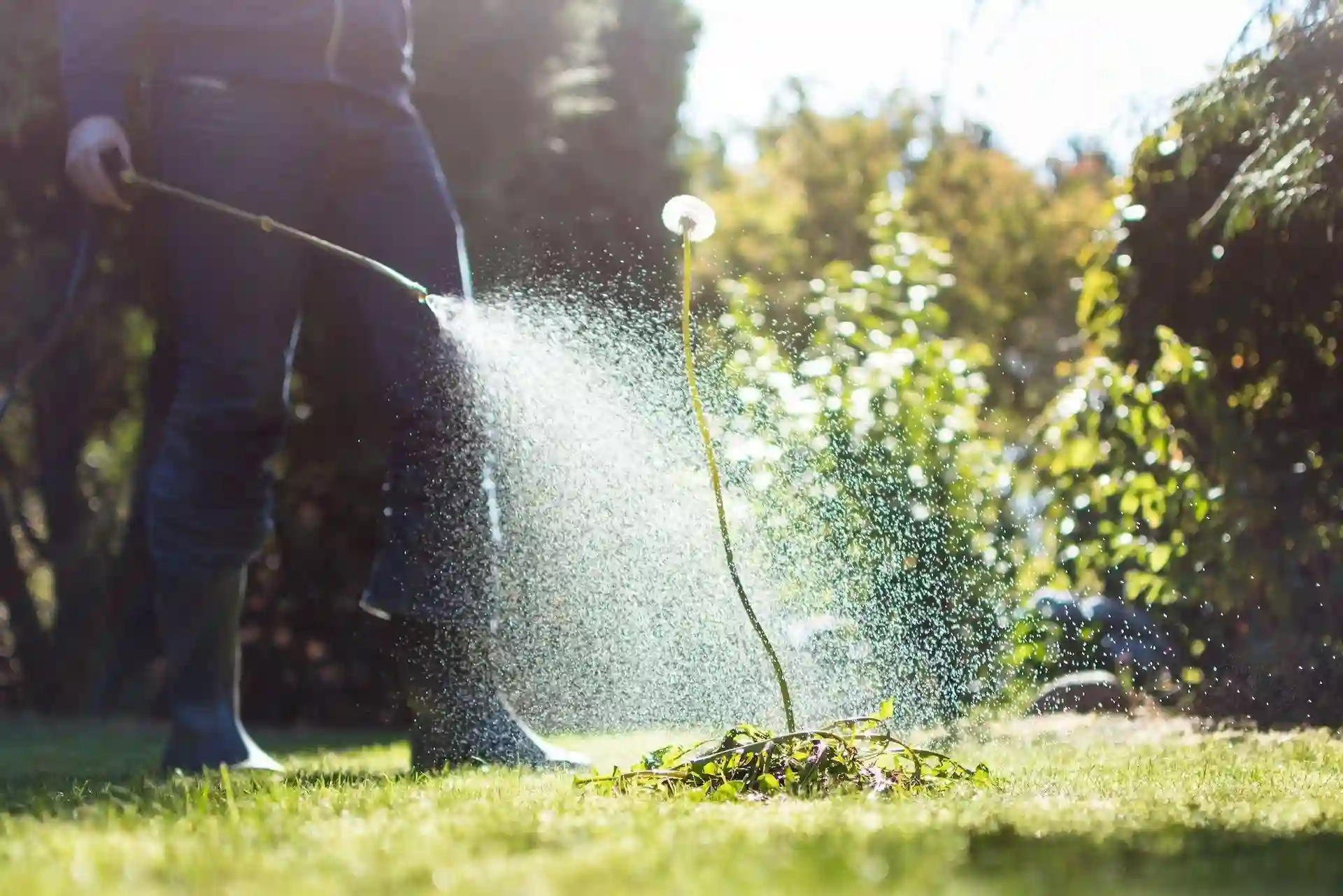
If you’ve spent any time trying to keep a Clearwater lawn looking green, you’ve probably noticed a frustrating pattern: you pull the weeds, they come back. You water more, the grass still thins out. You try a store-bought weed killer, and a few weeks later, new weeds pop up in the same spots.
The culprit often isn’t your effort—it’s your soil. Clearwater’s sandy, fast-draining ground creates some unique challenges for weed control in Clearwater, and understanding those challenges is the first step toward a lawn that actually holds its ground.
The Problem with Sandy Soil
Florida’s sandy soil is a big part of what makes the state unique, but it’s not exactly a friend to your turf. Here’s why:
1. It drains too fast. Sand particles are large, which means water moves through them quickly. That sounds good in theory, but it also means water and nutrients flush past your grass roots before they can absorb them. Your lawn ends up thirsty and undernourished, even if you’re watering regularly.
2. It doesn’t hold nutrients. Sandy soil has a low cation exchange capacity—a fancy way of saying it can’t hold onto nutrients. Fertilizer applied to sandy soil can leach away before your grass benefits.
3. It heats up quickly. Sand absorbs and radiates heat, which stresses grass roots during Florida’s hot summers. Stressed grass thins out, and thin grass is an open invitation for weeds.
4. It dries out fast. Combined with watering restrictions and the coastal sun, sandy soil means your lawn can go from damp to bone-dry in a matter of days.
Why Weeds Love Sandy Soil (and Thin Grass)
Here’s the uncomfortable truth: weeds are opportunists. They don’t need perfect conditions—they just need an opening. And sandy soil creates plenty of them.
When your grass is stressed from poor water retention, nutrient leaching, and heat, it thins out. Those bare or thin patches become prime real estate for fast-spreading weeds. And once weeds establish themselves, they compete with your grass for the little water and nutrients that are available, making the problem worse.
Clearwater’s warm, humid climate adds fuel to the fire. Weeds germinate quickly in Florida heat, and many species can spread rapidly if left unchecked. This is why generic, one-size-fits-all treatments often miss the real cause—they treat the visible weeds without addressing the soil and turf conditions that let weeds take over in the first place.
The Other Stressors Working Against Your Lawn
Sandy soil isn’t the only challenge Clearwater lawns face. The area’s environmental conditions stack up:
- Salt exposure near the coast stresses turf and affects soil chemistry
- Heavy seasonal rain can wash away nutrients and create fungus-friendly conditions
- Summer heat pushes grass into stress and slows recovery
- Watering restrictions limit how much you can compensate for fast-draining soil
Together, these factors create a lawn that’s constantly on the back foot—and weeds that are only too happy to fill the gap.
What Actually Works: A Root-Cause Approach
So what’s the solution? It’s not more weed killer, and it’s not more water. The answer is building a lawn that can compete—thick, healthy grass that leaves no room for weeds to establish.
Here’s what that looks like in practice:
1. Start with a Proper Lawn Inspection
Before any treatment, a specialist should walk your property, check turf condition and soil, and identify the specific weeds, pests, and disease risks you’re dealing with. This isn’t a quick glance—it’s an assessment of what’s actually holding your lawn back.
2. Customize the Plan to Your Yard
Every lawn is different. Grass type, sun and shade patterns, soil conditions, and chronic problem areas all matter. Customized lawn programs address your specific challenges—not a generic schedule applied to every property in the neighborhood.
3. Treat the Cause, Not Just the Symptoms
Targeted, eco-conscious treatments should focus on strengthening the turf and addressing the underlying conditions that let weeds thrive. That means improving soil health, supporting root development, and applying precise treatments where needed—not blanket applications that miss the real issue. This is the essence of root-cause weed control.
4. Monitor and Adjust
Lawns change with the seasons, and so do weed pressures. Regular visits with tracking and adjustments keep the plan working as conditions shift. This is where a dedicated habitat specialist makes a difference—someone who knows your property’s history and can spot problems early.
Why a Dedicated Specialist Matters
Weed control in Clearwater isn’t a set-it-and-forget-it job. It takes someone who knows your property inside and out—the chronic problem areas, the fungus-prone spots, and the weeds that need regular attention.
At UpRooted Lawn Health, each specialist handles no more than 400 properties, so your lawn gets the time and attention it deserves. No rotating strangers, no generic treatments. Just a plan built around your yard’s specific needs, backed by over 25 years of experience serving Tampa Bay homes and businesses.
Don’t Wait for Weeds to Take Over
Yellow patches, thinning grass, and a few stray weeds are often early warning signs. Left alone, they can spread quickly and become costly to repair. Addressing them early protects your investment and keeps your lawn thick, green, and resilient.
If your Clearwater lawn is struggling with weeds, thinning grass, or the challenges of sandy soil, professional lawn care services can help. UpRooted Lawn Health brings a root-cause approach to weed control—inspecting, customizing, treating, and monitoring so your lawn stays healthy year-round.
Why Clearwater’s Sandy Soil Makes Weed Control So Hard (and What Actually Works)
Contact UpRooted Weed and Pest Control for guaranteed weed control,
lawn fertilization, and insect management across Central Florida.
Request a Free Quote
More from Uprootedpest
Experts in automation, dedicated to helping your business thrive.
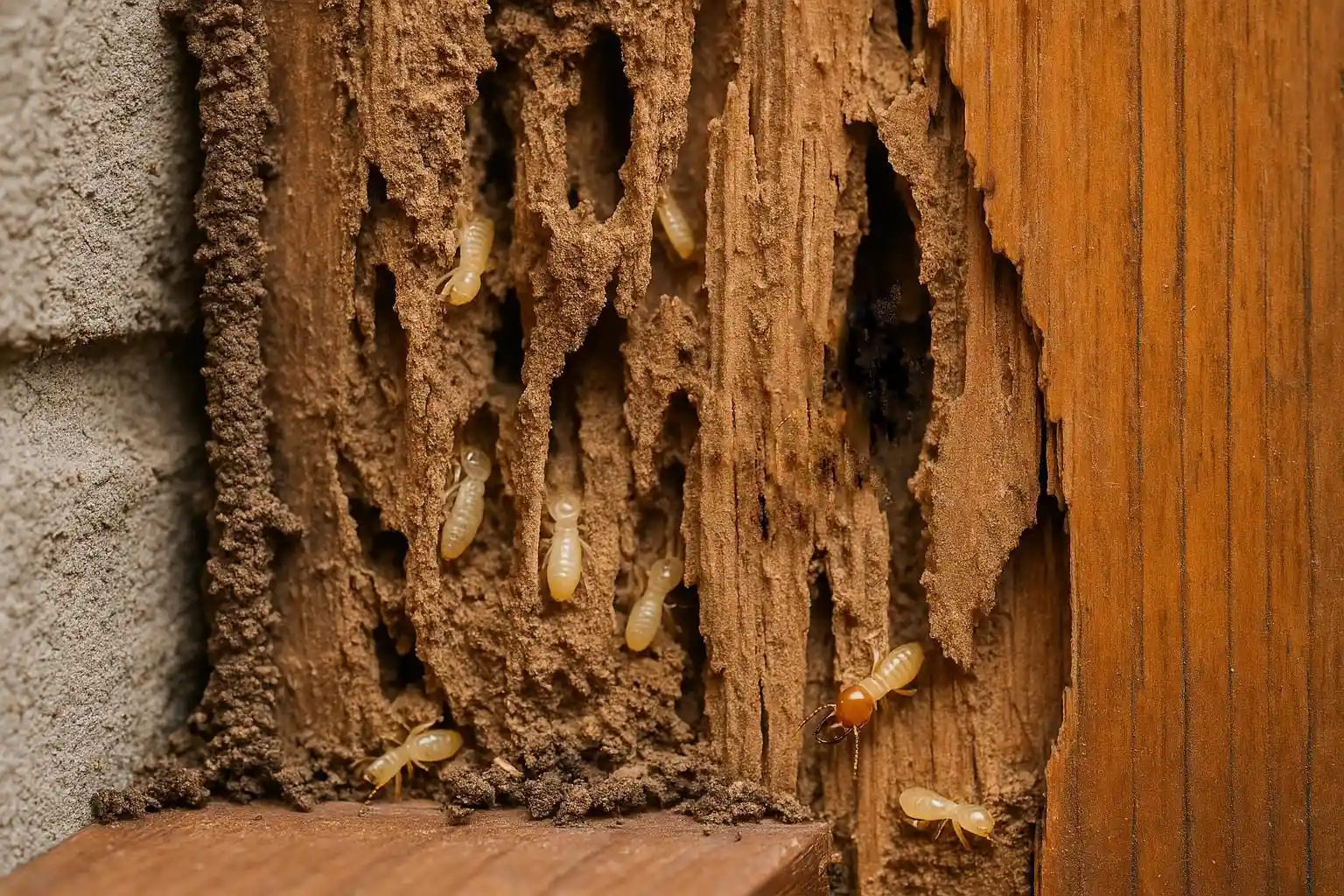
Termites in Tampa Bay: Warning Signs Every Homeowner Should Know
Termites are one of the most destructive pests a Florida homeowner can face. Unlike ants or roaches that announce themselves in the kitchen, termites work silently—often for months or years—eating away at the structure of your home from the inside out. By the time many Tampa Bay homeowners discover the damage, repairs can run into the thousands of dollars. The
November 20, 2026
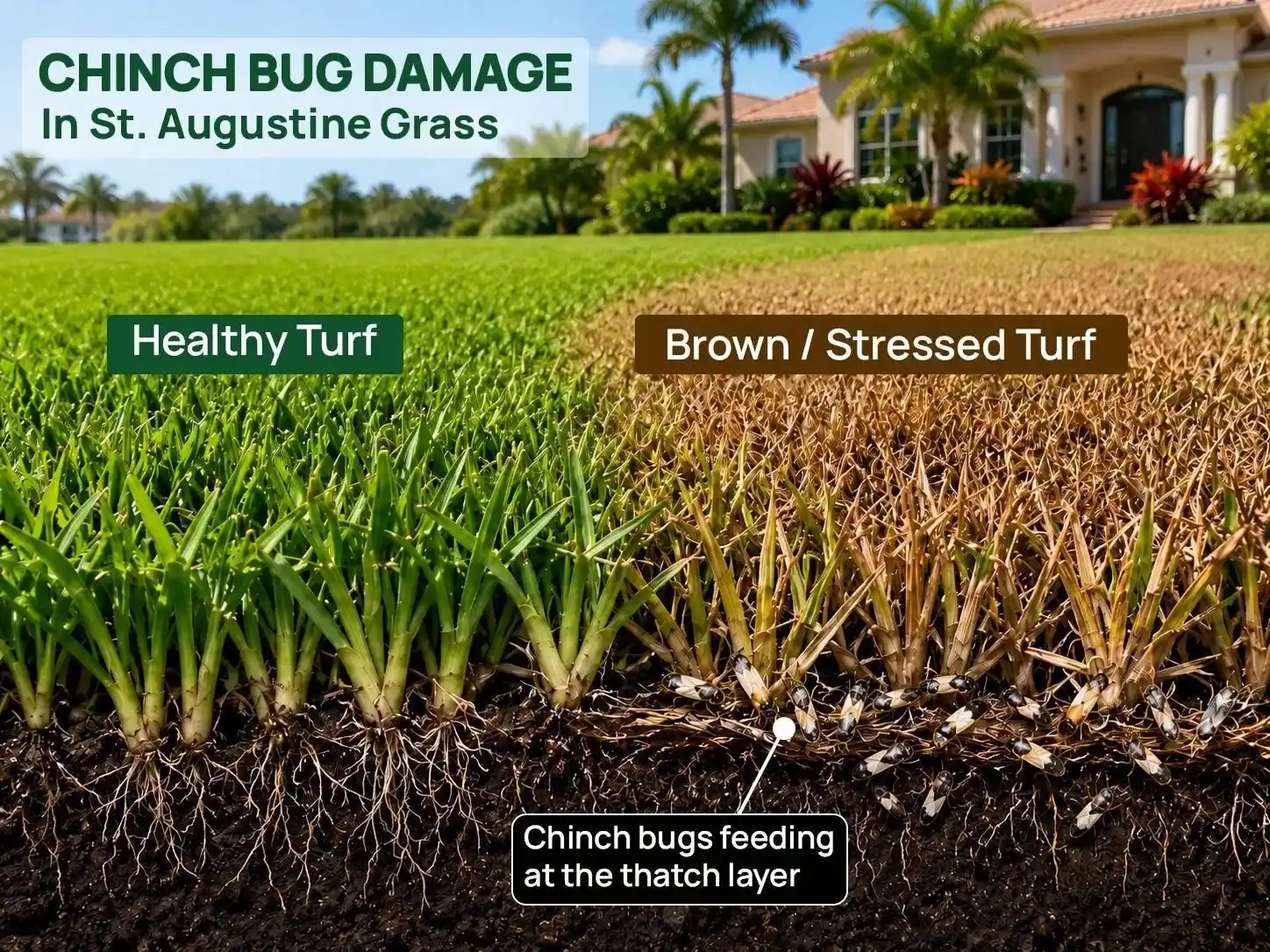
Is That a Chinch Bug or Just Dry Grass? A Dunedin Lawn Diagnosis
You walk outside on a Saturday morning, coffee in hand, and there it is: a patch of your St. Augustine grass turning yellow, then brown. Your first instinct is to check the sprinkler schedule. Maybe it needs more water. But here’s what we see all too often in Dunedin: homeowners crank up the irrigation, the patch keeps spreading, and by
November 12, 2026
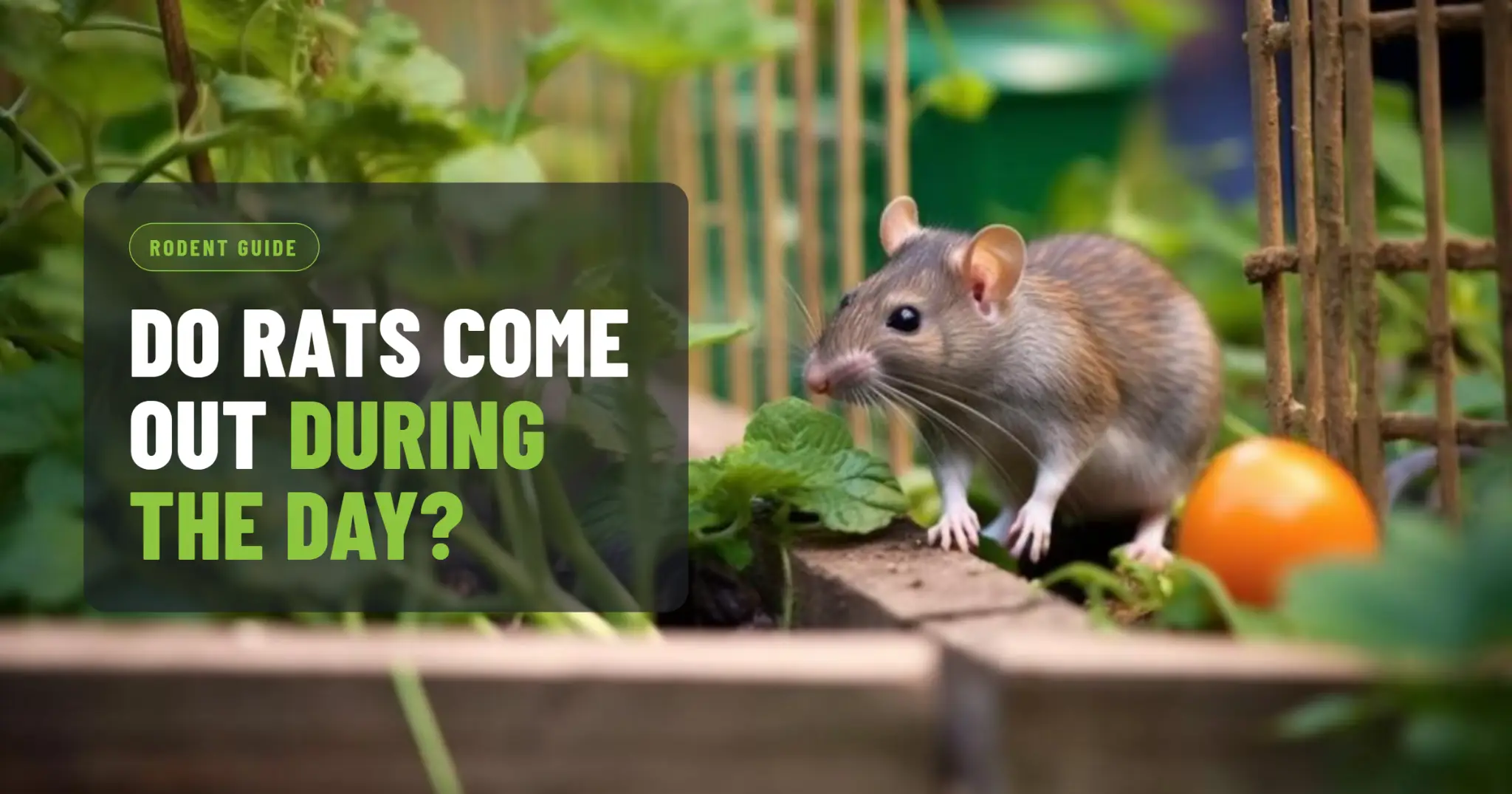
Do Rats Come Out During the Day? What a Daytime Sighting Means
Yes, rats do come out during the day, but it isn’t their normal schedule. Rats are mostly nocturnal, so a rat you spot in daylight is usually telling you something: food is easy to reach, the colony is crowded, or something disturbed its nest. One sighting along a back fence in Dunedin isn’t a crisis. One crossing your pool cage
October 26, 2026