

info@uprootedpest.com

Do Rats Come Out During the Day? What a Daytime Sighting Means
6 min read • October 26, 2026

Yes, rats do come out during the day, but it isn’t their normal schedule. Rats are mostly nocturnal, so a rat you spot in daylight is usually telling you something: food is easy to reach, the colony is crowded, or something disturbed its nest.
One sighting along a back fence in Dunedin isn’t a crisis. One crossing your pool cage at noon, or one inside the house during the day, is worth taking seriously.
Why rats usually stay out of sight
Rats feel safest in the dark. At night, hawks and other birds of prey are less of a threat, people are indoors, and the rat can travel its usual routes along fences, wires, and the edges of buildings without being noticed.
In Pinellas County, the rat most homeowners deal with is the roof rat. It’s an agile climber that likes to live up high: in attics, in thick palm fronds, in dense hedges, and in climbing vines on a wall. The University of Florida’s roof rat profile (https://entnemdept.ufl.edu/creatures/urban/rodents/roof_rat.htm) covers its habits and how it differs from the Norway rat. Because roof rats travel overhead, people often hear them in the ceiling at night long before they ever see one.
Why do rats come out during the day? Five common reasons
1. Easy food is out in the open
Rats are opportunists. Fallen fruit from citrus, mango, or avocado trees, birdseed under the feeder, a pet bowl left on the lanai, and grease on the grill all count as a meal. When food is that easy, a rat may take the risk of a daytime trip.
2. The colony has outgrown its space
A larger population means more competition. Lower-ranking rats get pushed out of the best feeding times and end up foraging when the dominant rats aren’t around, which can mean daylight. Seeing rats by day is one sign that their numbers may be climbing.
3. The nest was disturbed
Tree trimming, a roof repair, attic work, demolition next door or a heavy storm can all flush rats out of hiding. After a big weather event, it isn’t unusual to see more rodent activity for a while as they look for a new shelter.
4. They’ve learned the area is quiet, or that people aren’t a threat
Rats that live near busy places at night sometimes shift their schedule. One who has learned your yard is empty from 9 to 5 may simply use those hours.
5. Thirst or sickness
During dry stretches, rats will travel for water: dripping hose bibs, birdbaths, AC condensate lines, and pool edges. An animal that looks slow, confused or unafraid in broad daylight may be sick or poisoned. Don’t touch it. Keep kids and pets away.
Outdoors vs. indoors: how worried should you be?
Where you saw it: Crossing the yard or fence line
What it likely means: Passing through, or feeding nearby
What to do: Remove food sources, watch for repeat sightings
Where you saw it: In a fruit tree, palm or hedge
What it likely means: Possible nesting nearby
What to do: Trim trees back from the roof, check for droppings
Where you saw it: On the roof or lanai screen
What it likely means: Looking for a way in
What to do: Inspect rooflines, soffits, vents, and screen tears
Where you saw it: Inside the house in the daytime
What it likely means: Established activity indoors
What to do: Call a professional for an inspection
If you see a rat inside your home during the day, assume there are more you haven’t seen.
Signs that go with the sighting
Daytime sightings rarely come alone. Look for:
– Droppings along walls, in the garage, in cabinets or in the attic
– Scratching or running sounds in the ceiling after dark
– Gnawed wires, fruit, boxes, or irrigation lines
– Greasy rub marks along beams and entry points
– Half-eaten fruit hanging in your trees or scattered underneath
What to do this week
Start with what draws them in. Pick up fallen fruit every day or two, store pet food and birdseed in sealed containers, bring pet bowls inside at night, keep trash lids closed, and clean the grill after use.
Next, take away the cover and the highways. Trim palm fronds, tree limbs, and vines so they don’t touch the roof, and thin out dense ground cover against the house.
Then look at the structure. Roof rats can squeeze through small gaps, so check soffits, roof returns, plumbing and AC line penetrations, gable vents, and garage door seals. Our guide on keeping rats and mice out of your home walks through the exclusion step by step.
What doesn’t work well on its own: peppermint oil, ultrasonic plug-ins, and leaving the lights on. We explain why in our article on what rats are afraid of.
When to call a professional
Call when you see rats indoors, hear them in the attic, find fresh droppings or keep seeing them outside week after week. Rats breed quickly, and a small problem in October can be a much bigger one by spring.
At UpRooted Weed and Pest Control, your Habitat Specialist will inspect the property, find how rats are getting in and where they’re feeding, and build a plan that fits your home. We use a targeted approach and organic methods whenever possible. Curious about pricing? Here’s how we price our service, based on your property’s square footage.
Seeing rats in daylight in Clearwater, Dunedin, Palm Harbor, Largo or nearby? Request an estimate, and we’ll take a look.
FAQ
Is it normal to see a rat during the day?
It happens, especially outdoors near food. But because rats are mostly nocturnal, regular daytime sightings often point to an easy food source, a growing population or a disturbed nest.
Does seeing one rat mean I have an infestation?
Not always. One rat crossing the yard may just be passing through. A rat indoors, droppings or noises in the attic suggest more than one.
What attracts rats to a Florida yard?
Fallen fruit, birdseed, pet food, open trash, grill grease, standing water and thick vegetation near the house.
Are roof rats dangerous?
Rats can contaminate food and surfaces and chew wiring and other materials. Avoid handling rats or droppings with your bare hands, and have the activity inside the home inspected.
Will rats leave on their own?
Rarely, if they’ve found food and shelter. Removing attractants helps, but sealing entry points and treating active populations usually takes a planned approach.
Do Rats Come Out During the Day? What a Daytime Sighting Means
Contact UpRooted Weed and Pest Control for guaranteed weed control,
lawn fertilization, and insect management across Central Florida.
lawn fertilization, and insect management across Central Florida.
Request a Free Quote
More from Uprootedpest
Experts in automation, dedicated to helping your business thrive.

How to Choose the Best Pest Control Service in Central Florida (and Why Homeowners Trust UpRooted)
If you live in Central Florida, you already know pests are part of life here. Ants march across kitchen counters, mosquitoes crash backyard cookouts, and termites quietly work through the wood in your walls. The warm, humid climate that makes Florida so appealing is exactly what pests love too. Choosing the right pest control company matters. The wrong one leaves
October 9, 2026
How to Keep Rats and Mice Out of Your Home in Central Florida
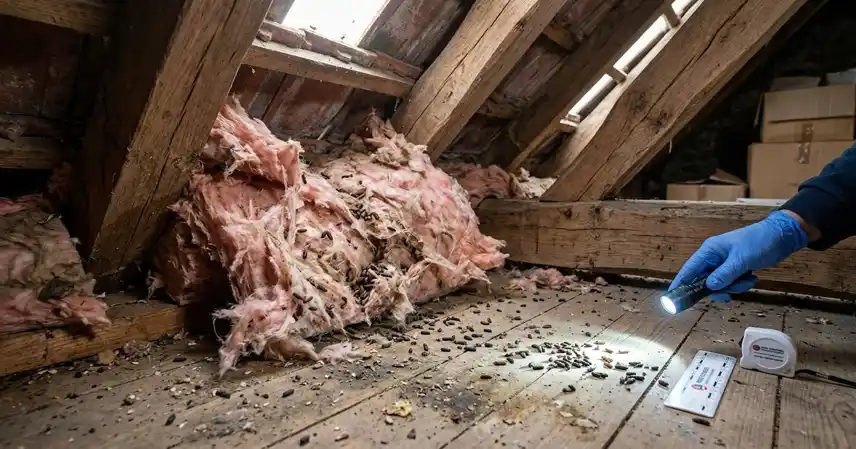
Florida’s warm weather is great for outdoor living, but it’s also great for rodents. With mild winters, plentiful food, and no hard freeze to slow them down, rats and mice stay active in Central Florida all year long. And when they decide your home looks like a good place to settle in, they can cause serious trouble. Rodents chew through
October 1, 2026
Professional Termite Inspection and Treatment: What Homeowners Should Expect
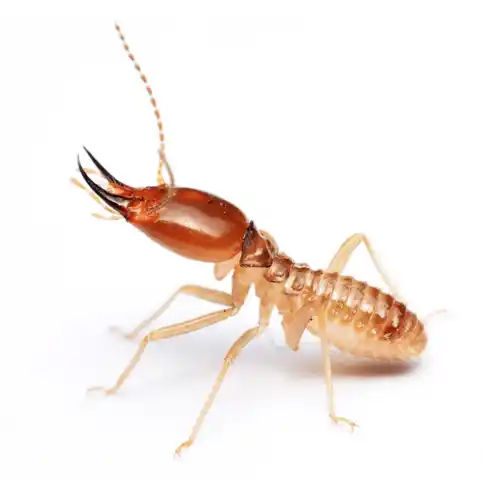
Termites are often called “silent destroyers,” and for good reason. These tiny insects can chew through wood, flooring, and structural supports for months or even years before a homeowner notice anything is wrong. In Florida’s warm, humid climate, the risk is year-round, making termite protection an essential part of home ownership. If you suspect termites or simply want peace of
October 1, 2026