

info@uprootedpest.com


Termites in Tampa Bay: Warning Signs Every Homeowner Should Know
5 min read • November 20, 2026
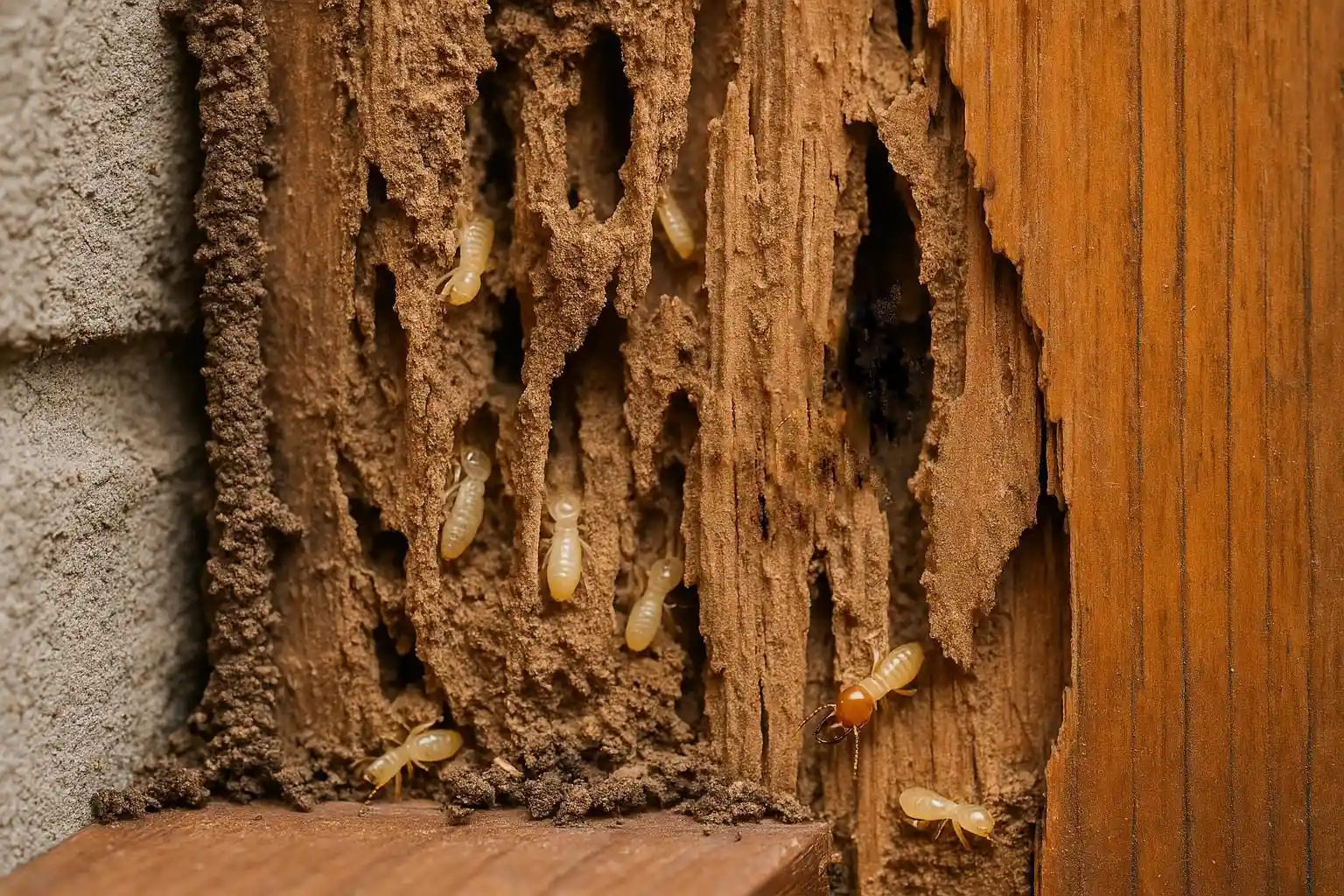
Termites are one of the most destructive pests a Florida homeowner can face. Unlike ants or roaches that announce themselves in the kitchen, termites work silently—often for months or years—eating away at the structure of your home from the inside out. By the time many Tampa Bay homeowners discover the damage, repairs can run into the thousands of dollars.
The good news? Termites leave clues. If you know what to look for, you can catch an infestation early and protect your biggest investment. Here’s what every Clearwater, Dunedin, and Tampa Bay homeowner should know about termite warning signs.
Why Termites Are a Serious Threat in Tampa Bay
Florida’s warm, humid climate is paradise for termites. Our soil stays moist, our homes are built on sandy ground they love, and our mild winters mean termites stay active year-round. The Tampa Bay area is considered a high-risk zone for termite activity, and two main types threaten local homes:
- Subterranean termites — The most common and destructive in Florida. They live in soil, build mud tubes to travel, and can silently compromise a home’s structural wood for years.
- Drywood termites — They live inside the wood itself, often in attics, framing, and furniture, and leave behind distinctive droppings called frass.
Because termites eat wood from the inside out, the exterior often looks fine while the interior is hollowed out. That’s why knowing the warning signs matters so much.
Warning Signs of Termites Every Homeowner Should Know
1. Mud Tubes on Foundation Walls
Subterranean termites build pencil-width tunnels of mud and debris to travel from soil to wood. Check your foundation walls, crawl spaces, and any wood touching the ground. If you see narrow, dirt-colored tubes running up concrete or brick, that’s a serious red flag.
2. Hollow-Sounding or Damaged Wood
Tap on exposed wood—baseboards, door frames, floor joists, and window sills. Wood that sounds hollow or papery when tapped may have been eaten from the inside. You might also notice wood that crumbles easily, looks warped, or has a blistered, “honeycomb” surface.
3. Frass (Termite Droppings)
Drywood termites push their droppings out of tiny holes in the wood. Frass looks like small, hard pellets—similar to coarse sawdust or coffee grounds—often found in piles beneath infested wood or near small exit holes. If you sweep it up and it reappears, you have active termites.
4. Discarded Wings Near Windows and Doors
After termites swarm (typically in spring and early summer, often after rain), they shed their wings. Piles of translucent, identical wings near windowsills, doors, or light fixtures are a classic sign of a swarm—and possibly an established colony nearby.
5. Bubbling or Bubbled Paint
Termites can cause paint to bubble, crack, or peel as moisture and damage build up beneath the surface. This is often mistaken for water damage, which is exactly why termite damage goes unnoticed for so long.
6. Tight-Fitting Doors and Windows
As termites tunnel through framing, the wood can warp and swell, making doors and windows suddenly stick or become hard to open. If doors that used to close smoothly now catch, it’s worth investigating.
7. Clicking Sounds Inside Walls
Soldier termites bang their heads against tunnel walls to signal danger—producing a faint clicking sound. In severe infestations, you may actually hear it inside the walls, especially at night when the house is quiet.
8. Sagging Floors or Ceilings
These are signs of advanced damage. If floors feel spongy or ceilings sag, termites may have compromised structural support. This warrants an immediate professional inspection.
What to Do If You Spot the Signs
Don’t panic, and don’t start spraying. Store-bought sprays can kill a few termites while scattering the colony deeper into the walls, making the problem harder to treat. Termites require targeted, professional treatment—especially in Florida, where the risk is constant.
At UpRooted Weed & Pest Control, our approach is simple: find the cause, fix it, and keep it from coming back—guaranteed. With over 25 years of experience in the Tampa Bay area, we know Florida’s pests, soil, and seasons, and we can identify the type of termite, the extent of activity, and the right treatment plan for your property. We also use organic and green methods wherever possible, with precise treatments only where needed—so your family and pets stay safe.
Don’t Wait for the Damage to Grow
Termites don’t stop eating. Early detection is the difference between a manageable treatment and a major repair bill. If you’ve noticed any of the warning signs above—or if it’s simply been a while since your home was inspected—the best next step is a professional evaluation.
Call UpRooted Weed & Pest Control today to schedule your termite inspection in Clearwater, Dunedin, or anywhere in the Tampa Bay area. We’re a family-owned, local team that treats your property like our own. We’ll find the cause, fix it, and help keep it from coming back.
Termites in Tampa Bay: Warning Signs Every Homeowner Should Know
Contact UpRooted Weed and Pest Control for guaranteed weed control,
lawn fertilization, and insect management across Central Florida.
lawn fertilization, and insect management across Central Florida.
Request a Free Quote
More from Uprootedpest
Experts in automation, dedicated to helping your business thrive.
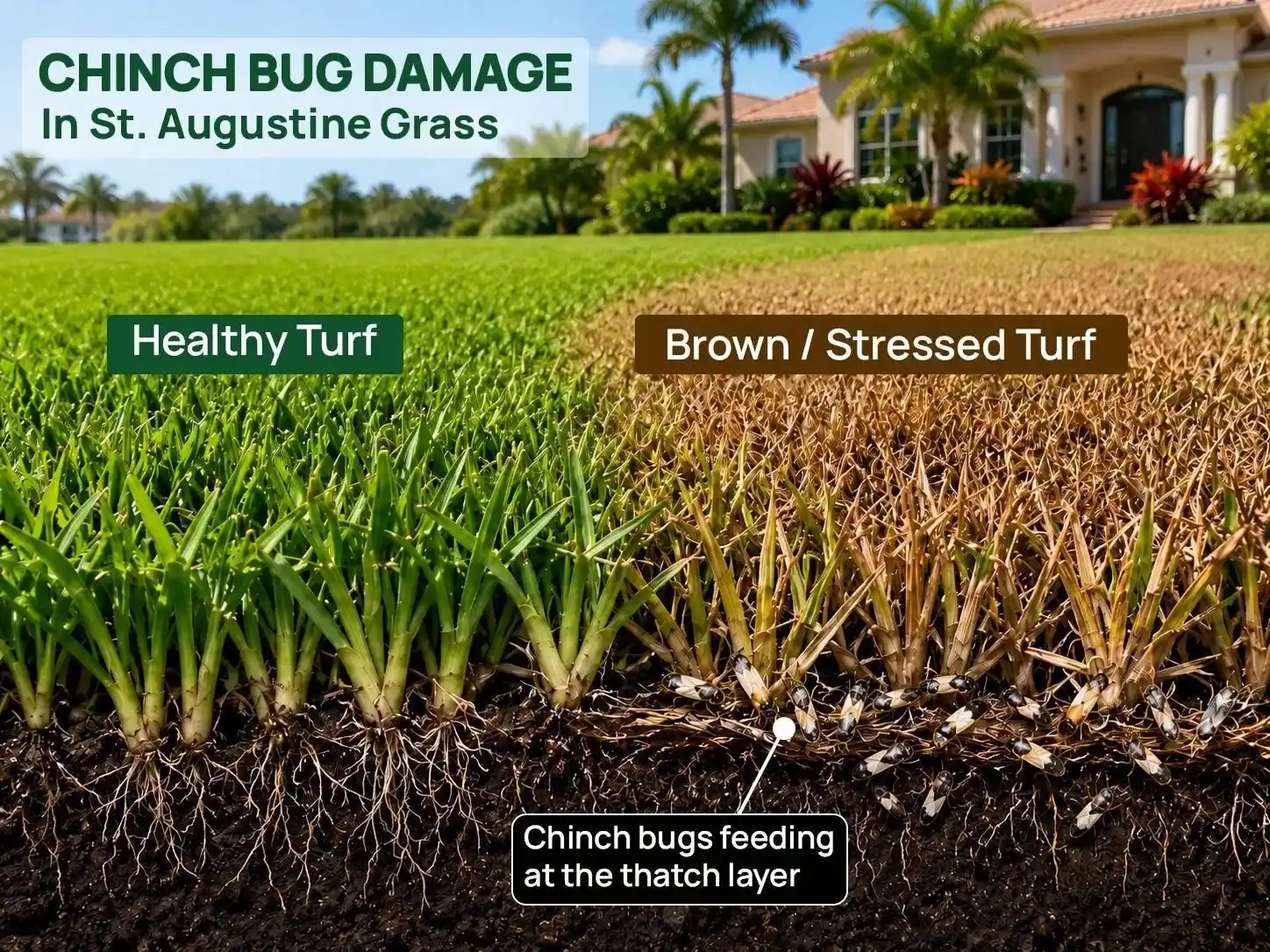
Is That a Chinch Bug or Just Dry Grass? A Dunedin Lawn Diagnosis
You walk outside on a Saturday morning, coffee in hand, and there it is: a patch of your St. Augustine grass turning yellow, then brown. Your first instinct is to check the sprinkler schedule. Maybe it needs more water. But here’s what we see all too often in Dunedin: homeowners crank up the irrigation, the patch keeps spreading, and by
November 12, 2026
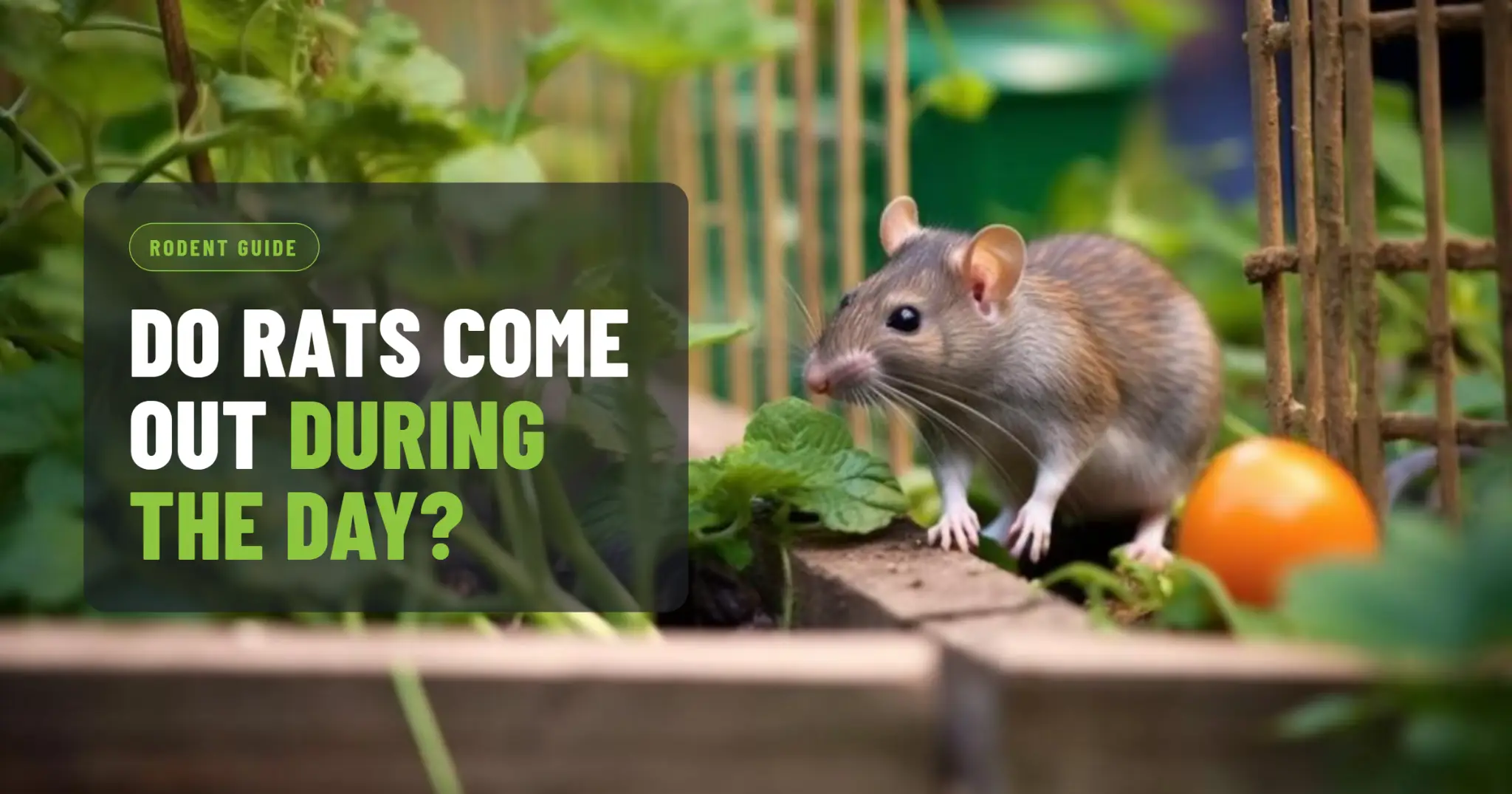
Do Rats Come Out During the Day? What a Daytime Sighting Means
Yes, rats do come out during the day, but it isn’t their normal schedule. Rats are mostly nocturnal, so a rat you spot in daylight is usually telling you something: food is easy to reach, the colony is crowded, or something disturbed its nest. One sighting along a back fence in Dunedin isn’t a crisis. One crossing your pool cage
October 26, 2026
How to Choose the Best Pest Control Service in Central Florida (and Why Homeowners Trust UpRooted)
If you live in Central Florida, you already know pests are part of life here. Ants march across kitchen counters, mosquitoes crash backyard cookouts, and termites quietly work through the wood in your walls. The warm, humid climate that makes Florida so appealing is exactly what pests love too. Choosing the right pest control company matters. The wrong one leaves
October 9, 2026