

info@uprootedpest.com

What Time of Year Are Bugs Most Active in Florida?
3 min read • March 1, 2022
In most of the country bug season is summer. In Florida it is closer to eight months, from the first warm weeks of March through the end of October, and a mild winter can stretch it further. Here is the calendar as we see it in Dunedin, Clearwater and the rest of Pinellas County.
Spring, March to May: the wake up
As soon as nights stay above 60 degrees, activity jumps. Subterranean termites swarm on warm, humid mornings after rain, usually March and April. Ants start foraging indoors for water. Wasps and paper wasps begin building nests under eaves. This is the best time for a perimeter treatment, before populations explode.
Summer, June to September: the peak
The rainy season is the busiest stretch of the year. Mosquitoes breed in every puddle within days of the first storms. Palmetto bugs and German cockroaches are at full strength. Fleas thrive in the humidity and move from pets to carpet. Drywood termites swarm in the evenings, often around lights. If you are going to see a problem, it will be now.
Fall, October to November: the move indoors
As the rain tapers off, pests that lived outside all summer look for shelter. Rats and mice enter attics and garages. Spiders follow the insects inside. Ants look for a dry nest site, often inside walls. This is the second important treatment window, sealing entry points before the cool nights push everything in.
Winter, December to February: the slowdown
Cold snaps slow insects down but rarely kill them. Termites keep feeding inside wood. Roaches live in wall voids. Rodents stay active all winter. It is the quietest season, and the best time to get ahead of spring.
Month by month, what to watch for
- March to April: termite swarms, ants, wasps.
- May to June: mosquitoes, fleas, ticks, first roach surge.
- July to September: everything, plus drywood termite swarms and lawn pests such as chinch bugs and sod webworms.
- October to November: rodents, spiders, ants moving indoors.
- December to February: rodents in attics, occasional roaches, planning season.
When to schedule treatment
Year round service every other month keeps the population from ever peaking. If you only treat once, do it in March. If you treat twice, March and October. Uprooted Weed and Pest Control builds its schedules around this calendar for homes throughout the Dunedin and Clearwater area.
Related reading
What Time of Year Are Bugs Most Active in Florida?
Contact UpRooted Weed and Pest Control for guaranteed weed control,
lawn fertilization, and insect management across Central Florida.
lawn fertilization, and insect management across Central Florida.
Request a Free Quote
More from Uprootedpest
Experts in automation, dedicated to helping your business thrive.
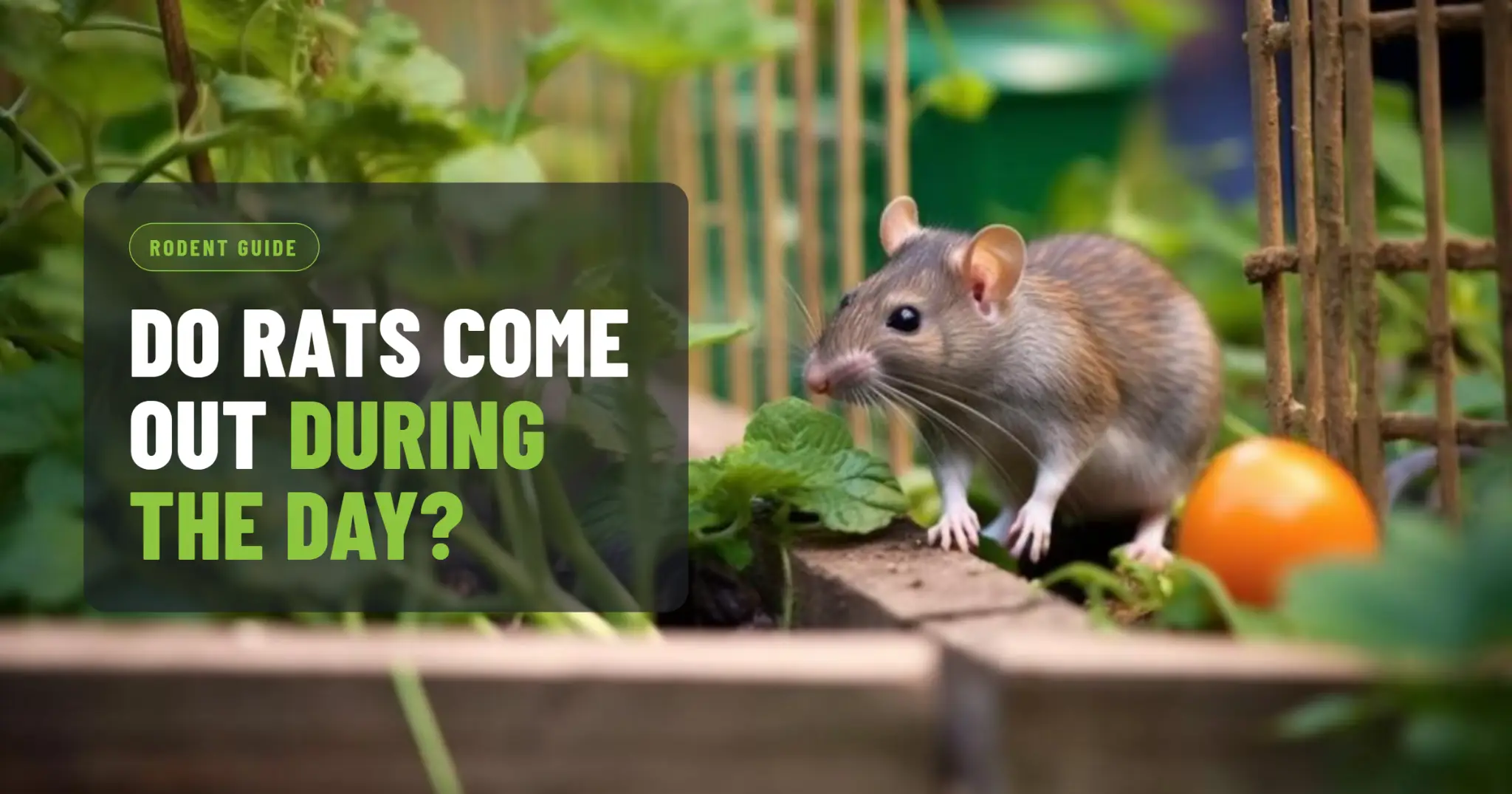
Do Rats Come Out During the Day? What a Daytime Sighting Means
Yes, rats do come out during the day, but it isn’t their normal schedule. Rats are mostly nocturnal, so a rat you spot in daylight is usually telling you something: food is easy to reach, the colony is crowded, or something disturbed its nest. One sighting along a back fence in Dunedin isn’t a crisis. One crossing your pool cage
October 26, 2026

How to Choose the Best Pest Control Service in Central Florida (and Why Homeowners Trust UpRooted)
If you live in Central Florida, you already know pests are part of life here. Ants march across kitchen counters, mosquitoes crash backyard cookouts, and termites quietly work through the wood in your walls. The warm, humid climate that makes Florida so appealing is exactly what pests love too. Choosing the right pest control company matters. The wrong one leaves
October 9, 2026
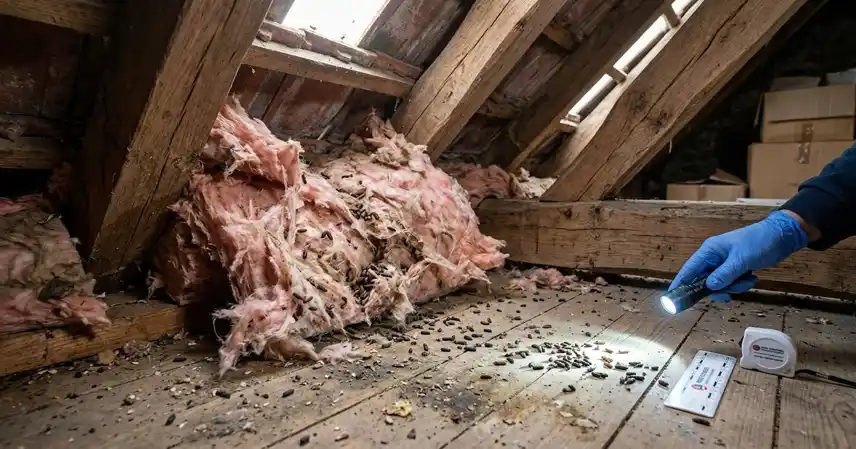
How to Keep Rats and Mice Out of Your Home in Central Florida
Florida’s warm weather is great for outdoor living, but it’s also great for rodents. With mild winters, plentiful food, and no hard freeze to slow them down, rats and mice stay active in Central Florida all year long. And when they decide your home looks like a good place to settle in, they can cause serious trouble. Rodents chew through
October 1, 2026