

info@uprootedpest.com

Why Do Bugs Disappear in the Winter? Where They Really Go
2 min read • March 1, 2022
When the temperature drops, the yard goes quiet. No mosquitoes at dusk, fewer ants on the counter, no wasps at the eaves. It feels like the bugs have gone. They have not. Insects have four ways of getting through winter, and in Florida most of them barely have to use any of them.
1. Migration
A few species leave. Monarch butterflies are the famous example, and some dragonflies do the same. No household pest migrates. The ones that bother you stay put.
2. Diapause, the insect version of hibernation
Most insects enter a dormant state when days shorten and temperatures fall. Their metabolism slows and they stop feeding and breeding. Ladybugs, stink bugs and many wasps and mosquitoes overwinter as adults this way, tucked into bark, leaf litter, attics and wall voids.
3. Surviving as eggs or larvae
Many species do not survive as adults at all. Mosquitoes leave eggs in dry containers that hatch when water and warmth return. Grasshoppers and crickets overwinter as eggs in the soil. Fleas wait as pupae in cocoons, which can sit for months until they sense a warm host.
4. Moving in with you
This is the one that matters to homeowners. Cockroaches, ants, spiders, silverfish and rodents do not go dormant. They move to where it is warm, which means your garage, attic, wall voids and the space under appliances. The bugs did not disappear. They relocated indoors.
What each common Florida pest does
- Termites: keep feeding all winter inside wood and soil. No dormancy.
- Cockroaches: move indoors and breed more slowly.
- Ants: the colony clusters deep in the nest; workers appear indoors looking for water.
- Mosquitoes: adults shelter in dense vegetation, eggs wait in containers.
- Fleas: pupae wait in carpet and bedding.
- Rodents: fully active and the number one winter caller in Pinellas County.
Why this makes winter a good time to treat
Pests are concentrated, slow and predictable. Sealing entry points, treating the perimeter and clearing harborage in December and January means the spring population starts from a much smaller base. Uprooted Weed and Pest Control runs winter service across Dunedin, Clearwater, Largo and Palm Harbor for exactly that reason.
Related reading
Why Do Bugs Disappear in the Winter? Where They Really Go
Contact UpRooted Weed and Pest Control for guaranteed weed control,
lawn fertilization, and insect management across Central Florida.
lawn fertilization, and insect management across Central Florida.
Request a Free Quote
More from Uprootedpest
Experts in automation, dedicated to helping your business thrive.
Do Rats Come Out During the Day? What a Daytime Sighting Means
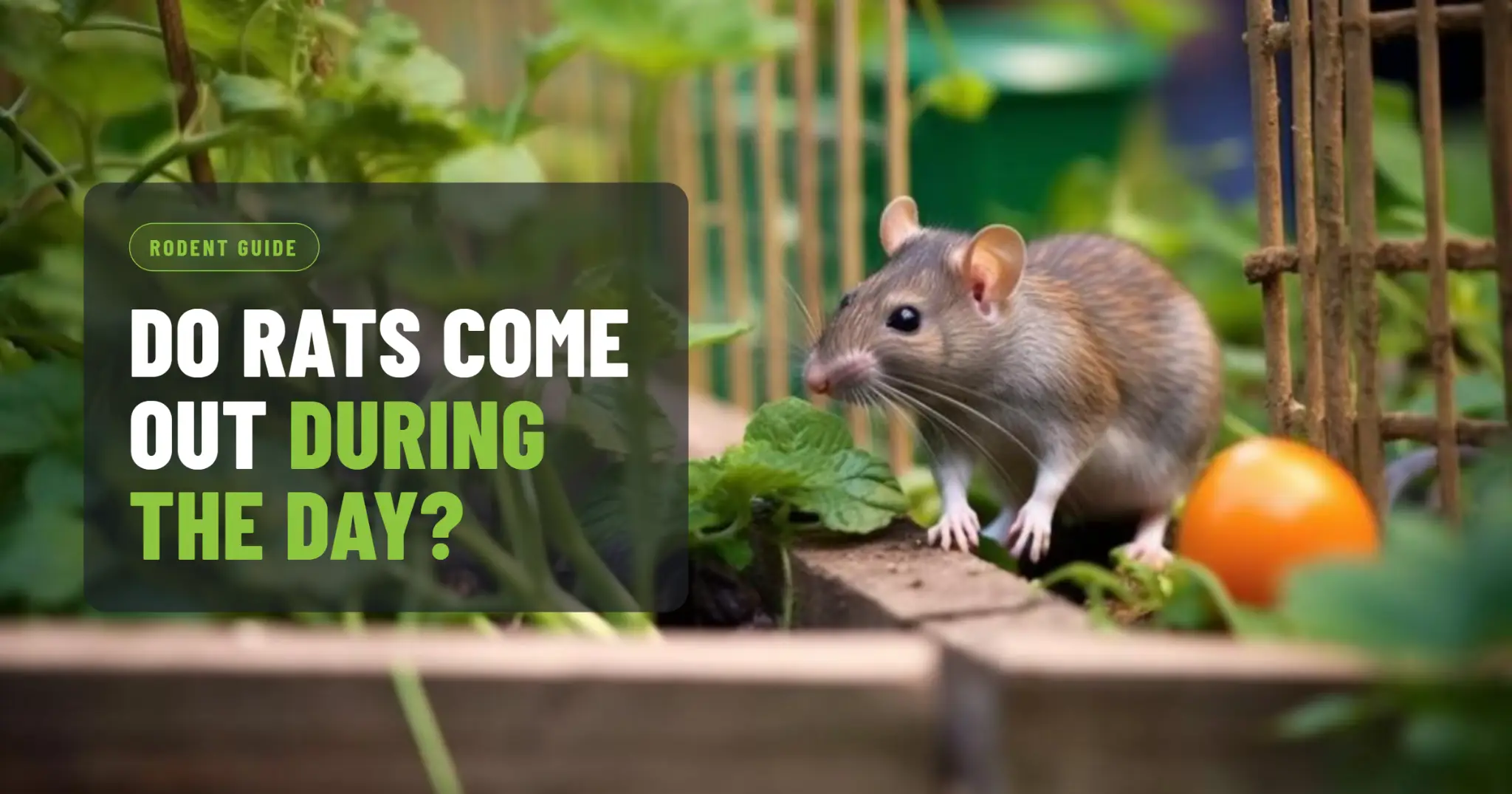
Yes, rats do come out during the day, but it isn’t their normal schedule. Rats are mostly nocturnal, so a rat you spot in daylight is usually telling you something: food is easy to reach, the colony is crowded, or something disturbed its nest. One sighting along a back fence in Dunedin isn’t a crisis. One crossing your pool cage
October 26, 2026

How to Choose the Best Pest Control Service in Central Florida (and Why Homeowners Trust UpRooted)
If you live in Central Florida, you already know pests are part of life here. Ants march across kitchen counters, mosquitoes crash backyard cookouts, and termites quietly work through the wood in your walls. The warm, humid climate that makes Florida so appealing is exactly what pests love too. Choosing the right pest control company matters. The wrong one leaves
October 9, 2026
How to Keep Rats and Mice Out of Your Home in Central Florida
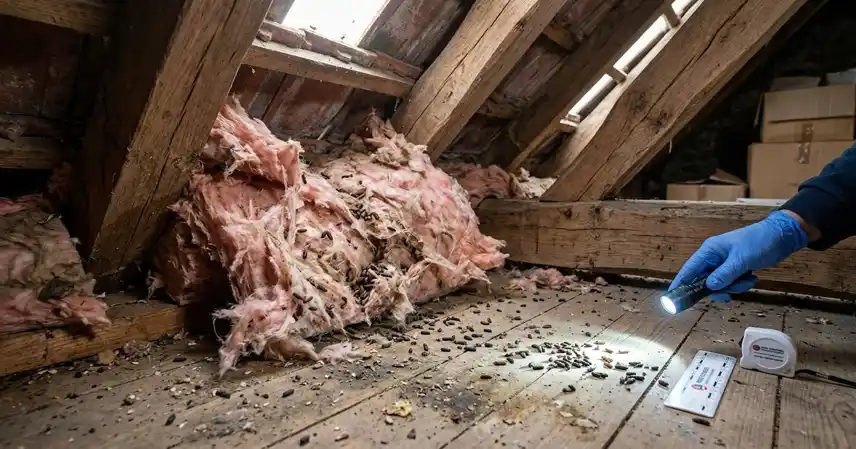
Florida’s warm weather is great for outdoor living, but it’s also great for rodents. With mild winters, plentiful food, and no hard freeze to slow them down, rats and mice stay active in Central Florida all year long. And when they decide your home looks like a good place to settle in, they can cause serious trouble. Rodents chew through
October 1, 2026