

info@uprootedpest.com

What will keep mice and rats away
5 min read • March 1, 2022

What keeps mice and rats away is making your property hard to get into and not worth visiting. Seal gaps as small as a dime, remove food, water and clutter, keep trees and shrubs trimmed back from the house, and store trash tightly. Scents and gadgets on their own rarely work for long.
Rodents are looking for three things: food, water and a safe place to nest. Take those away, indoors and outdoors, and they move on.
Seal the entry points first
Exclusion is the most important step. A mouse can squeeze through a gap about the size of a dime, roughly a quarter inch, and a rat through one about the size of a quarter. Check these common spots on Florida homes:
- Gaps where AC lines, plumbing and cables enter block walls
- Soffits, fascia boards and roof edges, where roof rats often get into attics
- Gable vents and roof vents with damaged or missing screens
- Gaps under garage doors and exterior doors
- Torn lanai and pool cage screens near the house
Fill small holes with copper or steel mesh, then seal over it. Rodents chew through plain foam and caulk. Cover vents with sturdy metal hardware cloth, and add door sweeps and garage door seals.
Clean up the outside
Your yard is where rodents decide whether your home is worth a closer look.
- Declutter your property. Remove leftover construction materials, piles of yard debris and other clutter rodents can hide or nest in.
- Keep your grass cut short and get rid of areas of tall grass and dense vegetation near the house.
- Keep tree branches, palm fronds and vines trimmed several feet away from the roof and walls.
- Pick up fallen citrus, mangoes and other fruit, and clean up spilled birdseed under feeders.
- Store firewood off the ground and away from the house.
- Make sure trash cans have tight lids, and regularly clean the area where they sit.
- Bring pet food in at night instead of leaving it on the lanai.
Take away food and water indoors
- Keep your home or business clean and decluttered.
- Wipe down food prep and dining surfaces after snacks and meals.
- Sweep or vacuum floors in kitchens and dining areas regularly.
- Wash dishes right after meals instead of leaving them in the sink overnight.
- Store pantry items in airtight metal, glass or hard plastic containers.
- Store pet food and birdseed in airtight containers too.
- Repair leaky faucets and pipes under sinks.
- Avoid storing cardboard boxes in the attic, shed or garage. Rodents shred cardboard for nesting.
Do scents and ultrasonic devices work?
Many products promise to repel rodents, but the evidence behind them is weak.
- Peppermint oil and other scents may bother rodents for a short time, but the smell fades quickly and hungry rodents learn to ignore it.
- Ultrasonic devices have shown limited results in studies. Rodents often get used to the sound, and it does not pass through walls or furniture.
- Mothballs are a pesticide meant for sealed containers only. Using them in attics or living spaces is against the label and can be harmful to people and pets.
- A cat may catch the odd mouse, but it will not solve an established problem.
These can be small extras, but they never replace sealing and sanitation.
When to call a professional
If you notice the telltale signs of rodent activity, act quickly. Mice and rats breed fast, and a few can become an infestation in a short time. Look for:
- Droppings in cabinets, drawers or the attic
- Rub marks along walls and beams
- Chewed holes in food bags
- Scratching in the walls or scurrying sounds in the attic at night
Our rodent control service finds where they are getting in, removes the rodents already inside and seals the openings so new ones cannot follow. Homes in Palm Harbor and Tarpon Springs with mature oaks and palms close to the roof are especially prone to roof rats. Curious why they are so hard to stop? Read these interesting facts about rats.
FAQ
What smell do mice and rats hate?
Strong scents such as peppermint oil, ammonia and vinegar are often said to repel rodents. They may work briefly, but the effect fades as the smell wears off, and rodents with a steady food source usually return. Sealing entry points and removing food is far more reliable than any scent.
How small a hole can a mouse get through?
A mouse can fit through a gap about a quarter inch wide, roughly the size of a dime. Rats need about half an inch, about the size of a quarter. If you can slide a pencil into a gap, assume a mouse can get through it, and seal it with metal mesh and sealant.
Are mice and rats worse in winter in Florida?
Rodents are active all year in Florida, but many homeowners notice more activity in fall and winter. Cooler nights send them looking for warm, sheltered spots like attics and garages. Late summer storms and yard work can also push them indoors. Sealing your home before the cooler months is a smart move.
Ready to keep rodents out? Call Uprooted Weed & Pest Control at (727) 871-0721 or request a free estimate.
What will keep mice and rats away
Contact UpRooted Weed and Pest Control for guaranteed weed control,
lawn fertilization, and insect management across Central Florida.
lawn fertilization, and insect management across Central Florida.
Request a Free Quote
More from Uprootedpest
Experts in automation, dedicated to helping your business thrive.
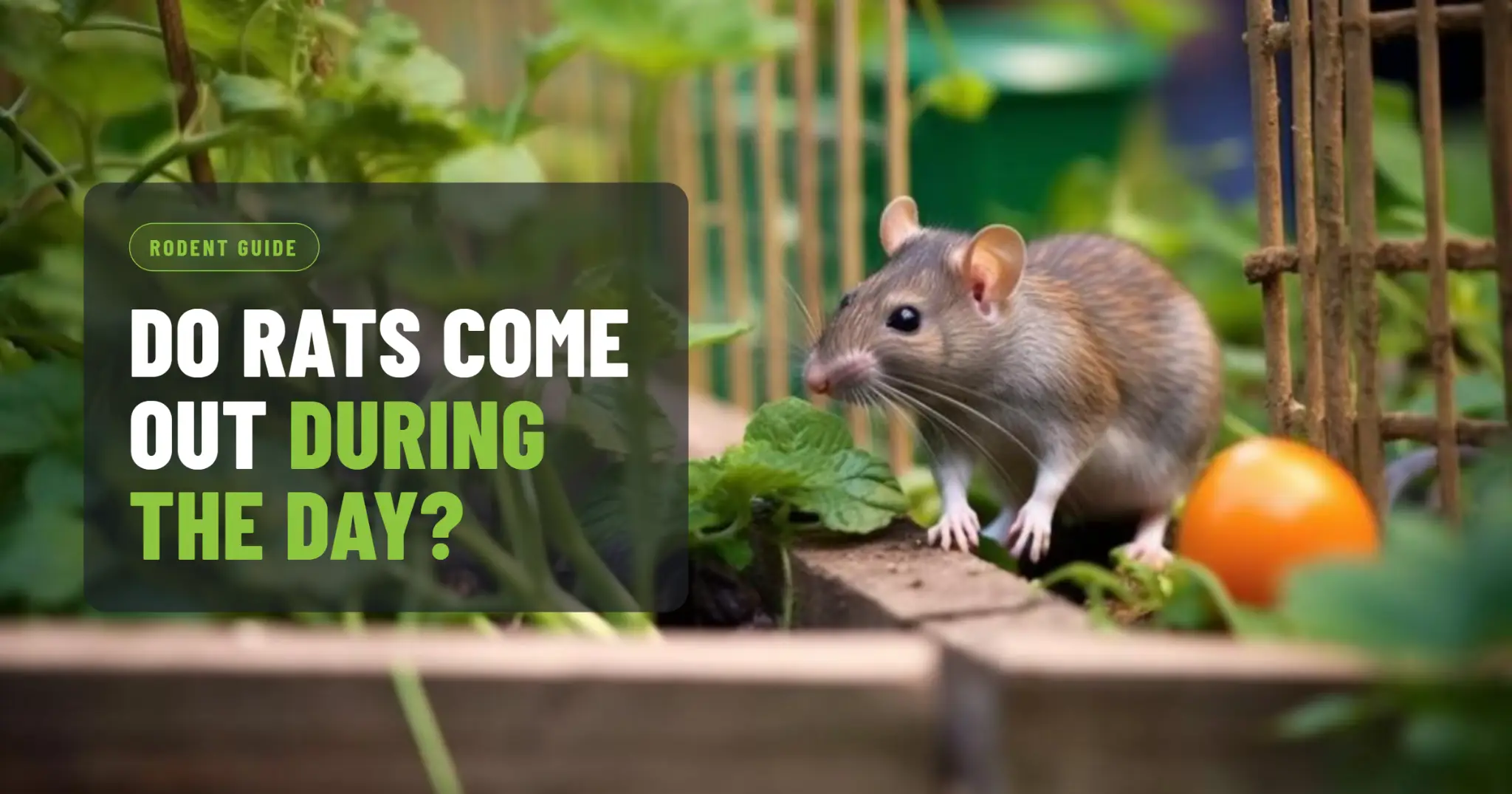
Do Rats Come Out During the Day? What a Daytime Sighting Means
Yes, rats do come out during the day, but it isn’t their normal schedule. Rats are mostly nocturnal, so a rat you spot in daylight is usually telling you something: food is easy to reach, the colony is crowded, or something disturbed its nest. One sighting along a back fence in Dunedin isn’t a crisis. One crossing your pool cage
October 26, 2026

How to Choose the Best Pest Control Service in Central Florida (and Why Homeowners Trust UpRooted)
If you live in Central Florida, you already know pests are part of life here. Ants march across kitchen counters, mosquitoes crash backyard cookouts, and termites quietly work through the wood in your walls. The warm, humid climate that makes Florida so appealing is exactly what pests love too. Choosing the right pest control company matters. The wrong one leaves
October 9, 2026
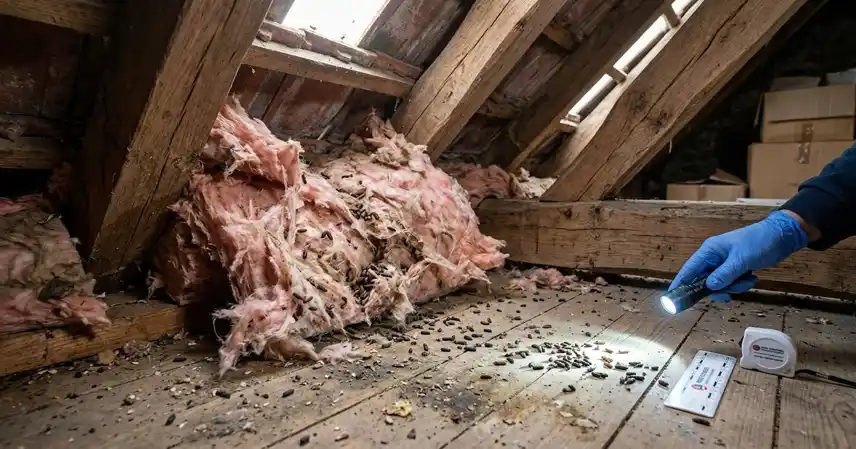
How to Keep Rats and Mice Out of Your Home in Central Florida
Florida’s warm weather is great for outdoor living, but it’s also great for rodents. With mild winters, plentiful food, and no hard freeze to slow them down, rats and mice stay active in Central Florida all year long. And when they decide your home looks like a good place to settle in, they can cause serious trouble. Rodents chew through
October 1, 2026