

info@uprootedpest.com

Interesting Facts About Rats
5 min read • March 1, 2022

Rats are smarter and tougher than most people think. Their front teeth never stop growing, they can gnaw through aluminum and cinder block, squeeze through a hole about the size of a quarter, swim well and even make laughing sounds when they play. Those same traits explain why rats are so hard to keep out of a home.
Even though they creep most people out, rats are interesting creatures. Here is what we have learned about them, and why each fact matters if you share a neighborhood with them.
Facts about rat teeth and strength
- Their teeth never stop growing. A rat’s front teeth grow several inches a year. Rats must gnaw all the time to keep them worn down, which is why they chew on things they will never eat.
- They can chew through tough materials. Rats have strong teeth that can get through wood, plastic, wire, aluminum, lead and cinder block. Chewed electrical wiring is one of the reasons rodents in the attic are a fire safety concern.
- They fit through very small gaps. A rat can squeeze through an opening about the size of a quarter, roughly half an inch wide. If its head fits, its body usually follows.
Facts about the rat body
- Rats do not sweat. They control their body temperature by widening or narrowing the blood vessels in their tails.
- Their tails are balance tools. Rats use their tails to balance and communicate. This is how roof rats run along power lines, fence tops and palm fronds with ease.
- Rats cannot vomit. Because they cannot bring up something that makes them sick, rats are very careful about what they eat.
- They are strong swimmers. Rats can tread water for long periods. Norway rats have been known to travel through sewer lines and come up through drains and toilets.
Facts about rat behavior and intelligence
- A group of rats is called a mischief. Rats live in social groups and help each other out.
- Rats laugh, in their own way. Researchers have found that rats make high pitched chirps, too high for people to hear, when they play or are tickled.
- They are very clean animals. Rats spend several hours a day grooming themselves.
- Rats are afraid of new things. This trait is called neophobia. A new trap or bait station in their path can be ignored for days, which is why trapping rats takes patience and planning.
- Their brains help scientists study ours. Rats are widely used in brain and behavior research because many of their brain structures and behaviors are similar to ours.
Rat facts that matter in Florida
Two species cause most rat problems in Pinellas County:
- Roof rats are agile climbers. They nest in attics, palm trees, dense vines and citrus trees, then travel along branches and utility lines to reach the roof.
- Norway rats are heavier and stay near the ground. They burrow along foundations, under sheds and around woodpiles.
Florida’s mild winters let both species stay active all year, and cooler nights often push them into warm attics. Rats also breed quickly. A female can have several litters a year, often with six or more pups each, and young rats can start breeding within a few months. A couple of rats in the attic can turn into a real infestation in one season.
Signs rats are in your home
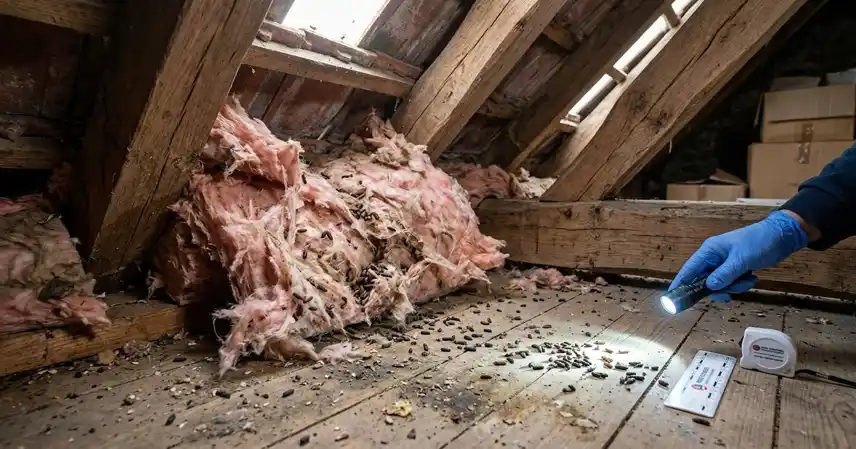
Interesting or not, rats in or around your home are a problem. They contaminate food and insulation with droppings and urine and can carry diseases. Watch for:
- Droppings along walls, in cabinets or in the attic
- Greasy rub marks along beams, pipes and baseboards
- Gnawed holes in food bags, boxes or wiring
- Scratching or scurrying sounds in the ceiling or walls at night
- Shredded insulation or paper used as nesting material
Many older Dunedin homes have gaps around soffits and roof edges that give roof rats an easy way in. Learn what will keep mice and rats away from your property, and if you already see signs, our rodent control service starts with a full inspection to find how they are getting in.
Rat FAQ
What is the difference between a roof rat and a Norway rat?
Roof rats are slimmer, with tails longer than their bodies, and they prefer high places like attics, trees and rafters. Norway rats are larger and heavier, with shorter tails, and they live at ground level in burrows. In Pinellas County, roof rats are the ones most often found in attics.
Can rats really chew through concrete?
Rats can gnaw through cinder block and weak or cracked concrete, especially where there is already a gap or rough edge to start on. Solid, well cured concrete usually stops them. That is why sealing small openings with durable materials such as metal mesh and sealant works better than foam alone.
Why do rats ignore the traps I set?
Rats are naturally wary of new objects. A trap placed suddenly in their path may be avoided for days. Professionals often place traps along walls and runways, sometimes leaving them unset at first so rats get used to them. Placement along their regular travel routes makes a big difference.
Hearing rats in the attic? Call Uprooted Weed & Pest Control at (727) 871-0721 or request a free estimate.
Interesting Facts About Rats
Contact UpRooted Weed and Pest Control for guaranteed weed control,
lawn fertilization, and insect management across Central Florida.
lawn fertilization, and insect management across Central Florida.
Request a Free Quote
More from Uprootedpest
Experts in automation, dedicated to helping your business thrive.

Do Rats Come Out During the Day? What a Daytime Sighting Means
Yes, rats do come out during the day, but it isn’t their normal schedule. Rats are mostly nocturnal, so a rat you spot in daylight is usually telling you something: food is easy to reach, the colony is crowded, or something disturbed its nest. One sighting along a back fence in Dunedin isn’t a crisis. One crossing your pool cage
October 26, 2026

How to Choose the Best Pest Control Service in Central Florida (and Why Homeowners Trust UpRooted)
If you live in Central Florida, you already know pests are part of life here. Ants march across kitchen counters, mosquitoes crash backyard cookouts, and termites quietly work through the wood in your walls. The warm, humid climate that makes Florida so appealing is exactly what pests love too. Choosing the right pest control company matters. The wrong one leaves
October 9, 2026
How to Keep Rats and Mice Out of Your Home in Central Florida
Florida’s warm weather is great for outdoor living, but it’s also great for rodents. With mild winters, plentiful food, and no hard freeze to slow them down, rats and mice stay active in Central Florida all year long. And when they decide your home looks like a good place to settle in, they can cause serious trouble. Rodents chew through
October 1, 2026