

info@uprootedpest.com

When Is It Safe After Fumigation?
5 min read • March 1, 2022
Most homes are safe to reenter two to three days after tent fumigation starts. The exact time depends on how long the tent stays up and how fast the house aerates. You can only go back in after the licensed fumigator tests the air and confirms the gas is at or below 1 ppm.
Here is what happens on each day, how the “all clear” works, and what to do when you get home.
What Happens During Tent Fumigation
Tent fumigation is mostly used for drywood termites that have spread into several parts of a home, such as the attic, wall voids and wood trim. In Florida, homes are fumigated with sulfuryl fluoride, a gas that moves deep into wood and kills the termites inside it.
A typical job runs in three stages:
- Preparation and tenting. The crew covers the home with tarps, seals the edges at ground level, posts warning signs and puts secondary locks on the doors.
- Exposure. The fumigant is released inside the tent and held for a set period, often around 24 hours. The time and dose are calculated for the size of the home, the temperature and the pest being treated.
- Aeration. The tarps come off and the home is ventilated with open doors, windows and fans. Aeration usually takes several hours, sometimes longer in a large or tightly sealed house.
Because sulfuryl fluoride has no smell, a small amount of a warning agent called chloropicrin is released first. It irritates the eyes and nose, which helps keep anyone from walking in by mistake.
How the Fumigator Decides It Is Safe
You should never decide on your own that a home is ready. Florida rules and the product label require the licensed fumigator in charge to clear the home using a gas detection device.
The fumigator takes readings in the living areas, including bedrooms and rooms that are harder to ventilate. Reentry is allowed only when the readings are at or below 1 part per million (ppm). Once the home passes, the fumigator removes the warning signs and secondary locks and lets you know you can return.
If a reading is still high, the house simply aerates longer. That can add a few hours or push your return to the next day. That is normal, not a sign of a problem.
How Long You Will Be Out of Your Home
Most families plan to be away for two nights and return on the third day. Some homes clear sooner and some take longer. Things that can change the timeline include:
- The size of the home and the number of rooms
- Weather, since wind and rain can delay tenting or tarp removal
- How easily the home ventilates, including closets, attics and enclosed lanais
- Furniture, mattresses and stored items that hold gas a little longer
In Pinellas County, many block homes still have wood roof trusses, and older homes in Clearwater and Dunedin often have wood framing, built in cabinets and packed attic storage. Those spaces can take longer to air out, so build a buffer day into your plans if you can.
What to Do When You Get Back Home
Sulfuryl fluoride is a gas, so it does not leave a residue that needs to be scrubbed off counters, dishes or clothes. Still, a few simple steps help you settle in:
- Open windows and run fans or the AC for a while to bring in fresh air
- Remove the special bags used to seal food and medicine during the job
- Bring houseplants and pets back only after the home has been cleared
- Check under sinks and in the attic for dead insects or rodents, which can be swept up and thrown away
If you notice a strong odor or feel unwell after returning, step outside and call your fumigator right away so they can recheck the home.
Keep in mind that fumigation kills the termites inside the home, but it does not protect against new ones. To learn more about what the gas reaches, read what fumigation kills. Ongoing termite control and yearly inspections help keep the home protected after the tent comes down.
Frequently Asked Questions
Can I go back in early to grab something I forgot?
No. Once the home is sealed and posted, nobody may enter until the fumigator clears it. Make a checklist of medicine, chargers, documents and pet supplies before tenting day. If you forget something important, call your fumigator. They can help you plan around it, but they will not reopen the home during the treatment.
Is it safe for babies and pets after fumigation?
Once the licensed fumigator measures the gas at or below 1 ppm and clears the home, it is considered safe for everyone, including children and pets. Sulfuryl fluoride does not leave a residue on floors or toys. If anyone in your family has a health condition, ask your doctor about any extra precautions before you return.
Is fumigation the only way to get rid of drywood termites?
Not always. When termites are found in one or two spots, a localized treatment of the affected wood may be enough. Tenting is usually recommended when activity is widespread or hidden in places a technician cannot reach. Our guide on how to get rid of termites explains the main options.
Have questions about fumigation or a termite problem? Call Uprooted Weed & Pest Control at (727) 871-0721 or request a free estimate at /contact/.
When Is It Safe After Fumigation?
Contact UpRooted Weed and Pest Control for guaranteed weed control,
lawn fertilization, and insect management across Central Florida.
lawn fertilization, and insect management across Central Florida.
Request a Free Quote
More from Uprootedpest
Experts in automation, dedicated to helping your business thrive.
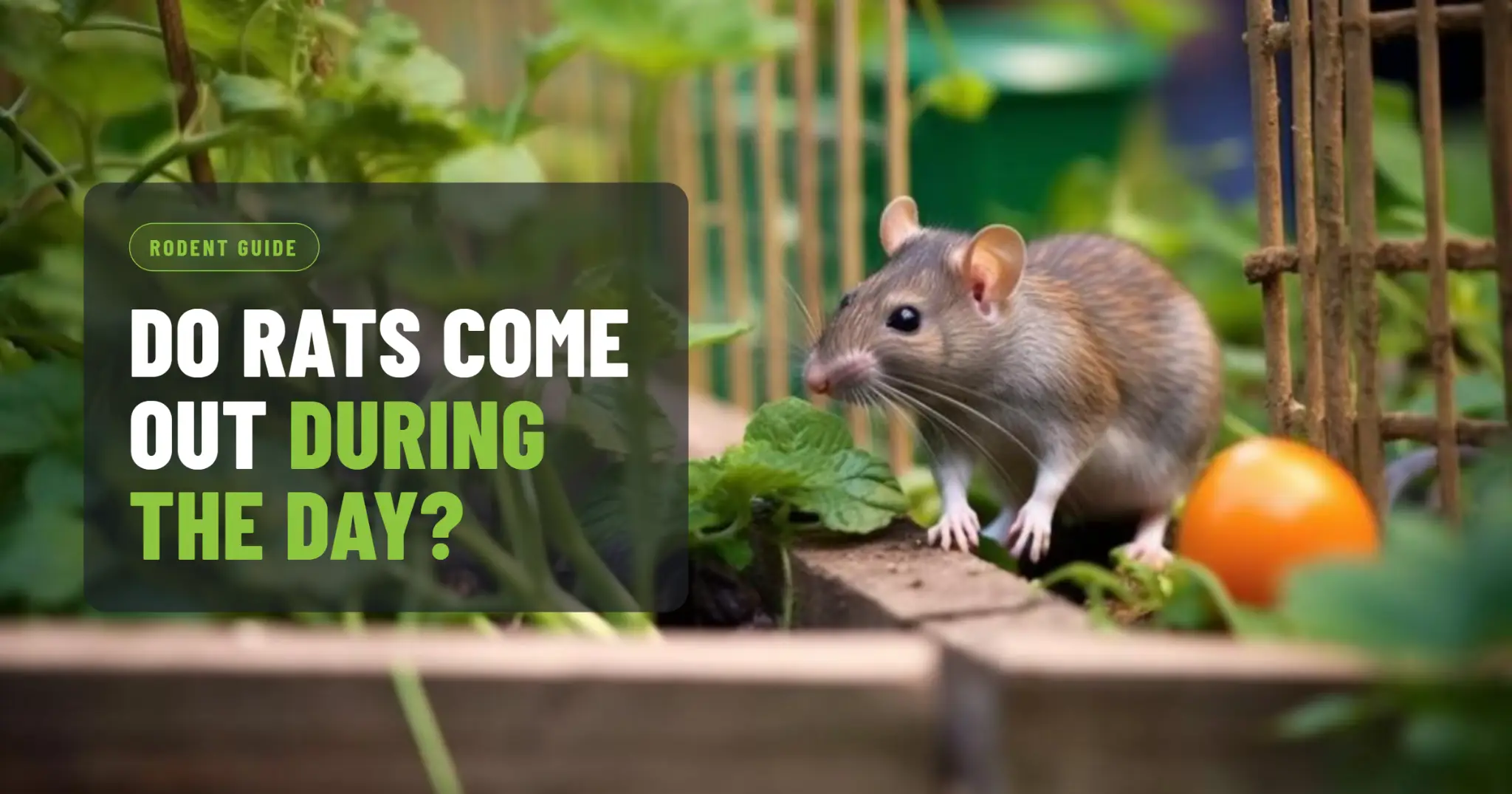
Do Rats Come Out During the Day? What a Daytime Sighting Means
Yes, rats do come out during the day, but it isn’t their normal schedule. Rats are mostly nocturnal, so a rat you spot in daylight is usually telling you something: food is easy to reach, the colony is crowded, or something disturbed its nest. One sighting along a back fence in Dunedin isn’t a crisis. One crossing your pool cage
October 26, 2026

How to Choose the Best Pest Control Service in Central Florida (and Why Homeowners Trust UpRooted)
If you live in Central Florida, you already know pests are part of life here. Ants march across kitchen counters, mosquitoes crash backyard cookouts, and termites quietly work through the wood in your walls. The warm, humid climate that makes Florida so appealing is exactly what pests love too. Choosing the right pest control company matters. The wrong one leaves
October 9, 2026
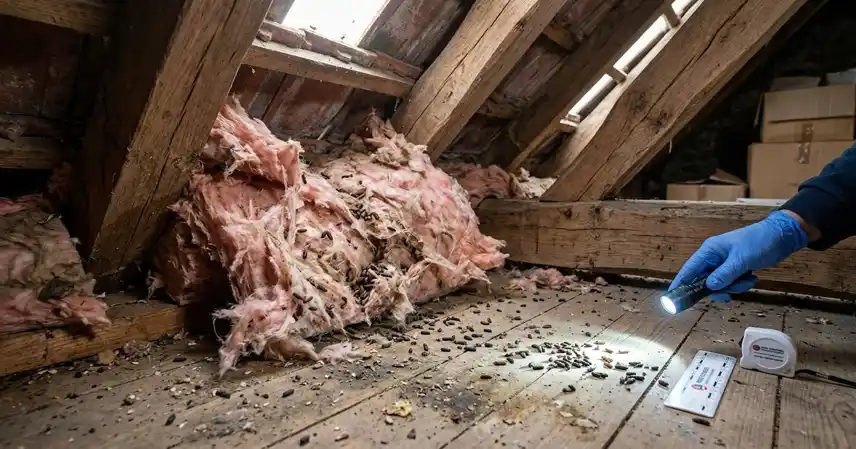
How to Keep Rats and Mice Out of Your Home in Central Florida
Florida’s warm weather is great for outdoor living, but it’s also great for rodents. With mild winters, plentiful food, and no hard freeze to slow them down, rats and mice stay active in Central Florida all year long. And when they decide your home looks like a good place to settle in, they can cause serious trouble. Rodents chew through
October 1, 2026