

info@uprootedpest.com

How to Get Rid of Termites
5 min read • March 1, 2022
The key to getting rid of termites is knowing which kind you have, then matching the treatment to it. Drywood termites living inside the wood are treated with tent fumigation or direct wood injection. Subterranean termites nesting in the soil are treated with a liquid soil treatment or a baiting system such as Sentricon.
Know which termite you are dealing with
Termites can cause damage that is expensive to repair and, in severe infestations, threaten the structural integrity of your home or business. Florida’s warm, humid climate keeps them active all year, and Pinellas County homes can face several species at once.
- Native subterranean termites live in the soil and travel up into the house through mud tubes.
- Formosan and Asian subterranean termites are invasive species that build very large colonies and can do damage faster than native termites.
- Drywood termites live inside the wood they eat and never need soil contact. They show up in attics, window frames, door frames and furniture, and they are common in older Clearwater and Dunedin homes.
Each one is treated differently, so a correct identification always comes first.
Signs you have termites
Before you spend money on treatment, confirm the problem. Look for:
- Mud tubes about the width of a pencil on block walls, slab edges or plumbing lines
- Small piles of pellets that look like sand or coffee grounds under windowsills, baseboards or attic wood
- Discarded wings near windows and doors, especially after a spring swarm
- Wood that sounds hollow when tapped, or paint that bubbles and blisters
Flying ants are often mistaken for termite swarmers. Our guide on how to know if you have termites explains the differences.
How drywood termites are treated
Drywood colonies live inside the wood, so the treatment has to reach them there.
Tent fumigation. For widespread infestations, the whole structure is covered with a tent and filled with sulfuryl fluoride gas, which penetrates every piece of wood in the home, including areas no one can see. In Florida, you can go back inside only after the licensed operator takes gas readings and clears the home at 1 ppm or less. Read more about how long after fumigation it is safe to return.
Direct injection. When the infestation is small and easy to reach, a technician drills small holes and injects termiticide straight into the galleries. There is no tent and no moving out. The tradeoff is that it only treats the wood it reaches, so a careful inspection matters.
How subterranean termites are treated
Formosan, Asian and native subterranean termites live in nests beneath the soil around your property. On Florida slab homes, they get in through cracks in the slab, expansion joints and gaps where pipes come up through the floor. There are two common approaches.
Liquid soil treatment. A termiticide is applied to the soil around the foundation to create a treated zone. Many modern products are non repellent, so termites pass through without noticing and carry the material back to the colony.
Baiting systems. The Sentricon Colony Elimination System with Always Active uses stations installed in the ground around your home or business. Termites feed on the bait and share it with the colony, which can wipe the colony out. Uprooted’s Sentricon specialists are trained to install this non intrusive system. Properly stocked and maintained, the stations keep protecting your property for years.
You can compare these options on our termite control page.
Keep termites from coming back
Store bought sprays kill the termites you can see, but the colony keeps going, and spraying subterranean termites can simply push them to another spot in the wall. Fumigation also requires a licensed operator in Florida. Once your home is treated, these habits help keep it protected:
- Keep mulch, firewood and lumber away from the foundation
- Fix plumbing and roof leaks quickly, and keep downspouts draining away from the house
- Avoid wood touching soil, including lattice, planters and fence posts against the wall
- Seal gaps where plumbing and utility lines enter the slab or walls
- Schedule regular inspections, especially after swarm season in spring
Termite FAQ
Can I get rid of termites myself?
You can lower the risk by removing wood debris and fixing moisture problems, but most active infestations need professional treatment. Store bought products rarely reach the colony, and tent fumigation can only be done by licensed operators in Florida. A free inspection tells you how far the activity has spread and which treatment fits.
How long does termite treatment take?
It depends on the method. Tent fumigation usually means staying out of the house for a few days until the home is cleared. Spot injection can often be done in a few hours. A liquid soil treatment usually takes a day or less, while bait systems work over weeks to months as termites find and share the bait.
When do termites swarm in Florida?
Native subterranean termites usually swarm in late winter and spring, often during the day. Formosan termites tend to swarm on warm, humid evenings from late spring into early summer and are drawn to lights. Many drywood termites swarm at night in spring and summer. Seeing swarmers indoors is a good reason to schedule an inspection.
Think you have termites? Call Uprooted Weed & Pest Control at (727) 871-0721 or request a free estimate.
How to Get Rid of Termites
Contact UpRooted Weed and Pest Control for guaranteed weed control,
lawn fertilization, and insect management across Central Florida.
lawn fertilization, and insect management across Central Florida.
Request a Free Quote
More from Uprootedpest
Experts in automation, dedicated to helping your business thrive.
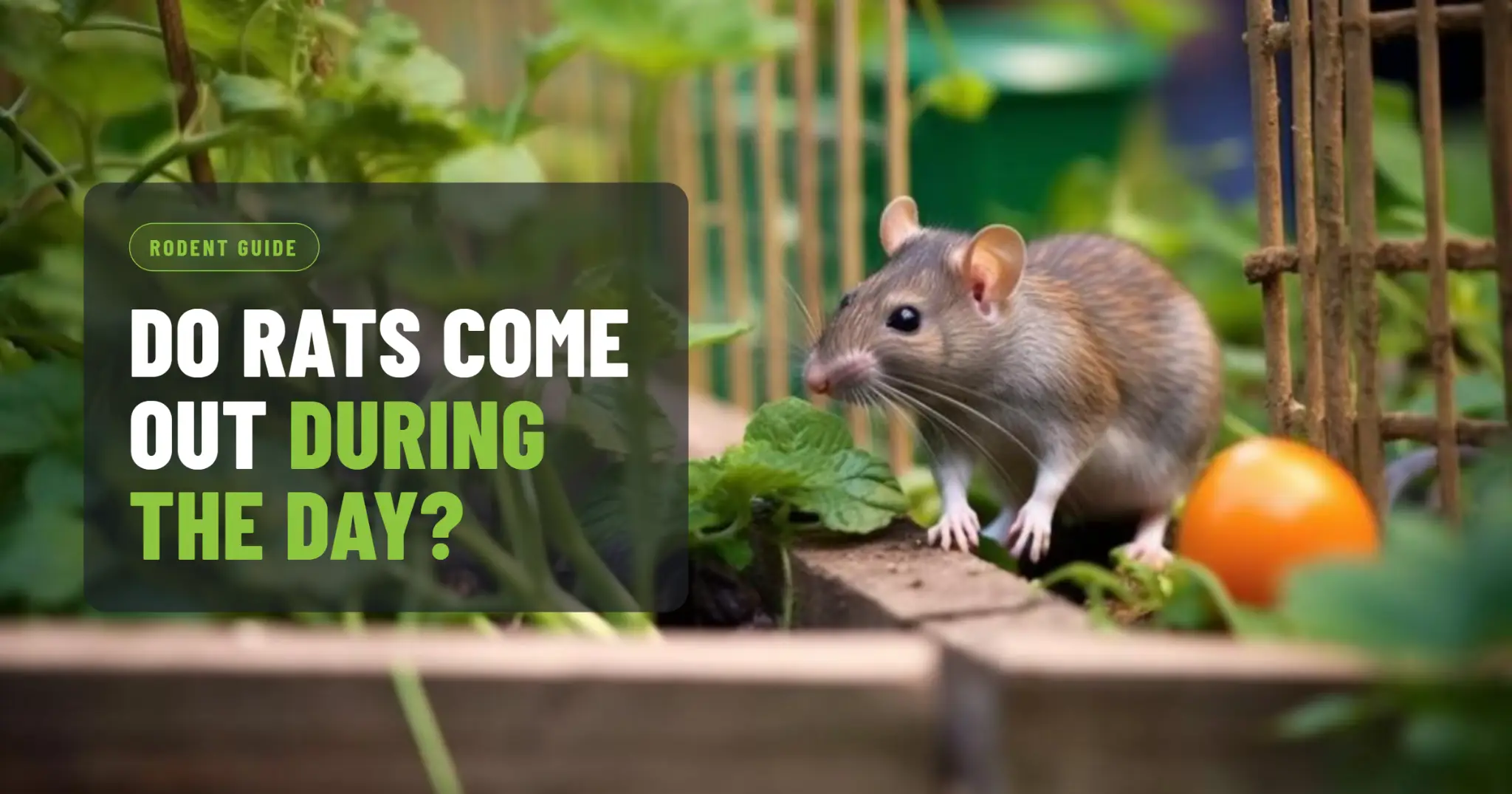
Do Rats Come Out During the Day? What a Daytime Sighting Means
Yes, rats do come out during the day, but it isn’t their normal schedule. Rats are mostly nocturnal, so a rat you spot in daylight is usually telling you something: food is easy to reach, the colony is crowded, or something disturbed its nest. One sighting along a back fence in Dunedin isn’t a crisis. One crossing your pool cage
October 26, 2026
How to Choose the Best Pest Control Service in Central Florida (and Why Homeowners Trust UpRooted)
If you live in Central Florida, you already know pests are part of life here. Ants march across kitchen counters, mosquitoes crash backyard cookouts, and termites quietly work through the wood in your walls. The warm, humid climate that makes Florida so appealing is exactly what pests love too. Choosing the right pest control company matters. The wrong one leaves
October 9, 2026
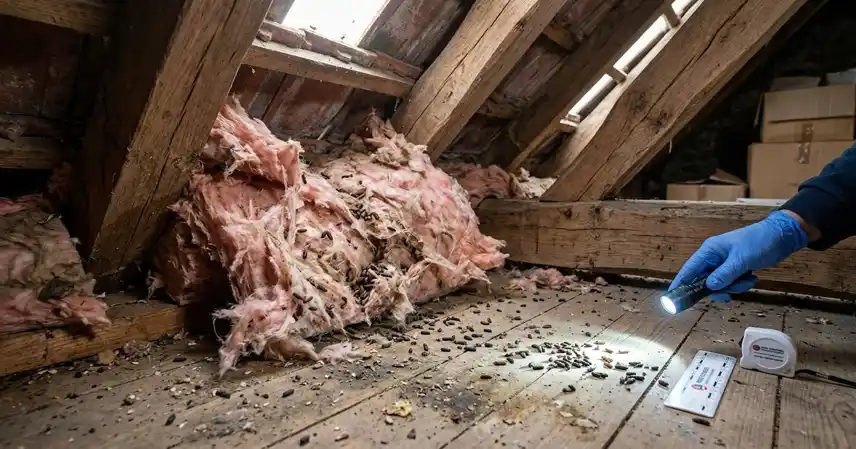
How to Keep Rats and Mice Out of Your Home in Central Florida
Florida’s warm weather is great for outdoor living, but it’s also great for rodents. With mild winters, plentiful food, and no hard freeze to slow them down, rats and mice stay active in Central Florida all year long. And when they decide your home looks like a good place to settle in, they can cause serious trouble. Rodents chew through
October 1, 2026