

info@uprootedpest.com

How to Know You Have Termites
5 min read • March 1, 2022
Often you cannot know for certain without a professional inspection, because termites feed inside walls, attics and wood trim. The most common signs are mud tubes, discarded wings, small piles of pellets, hollow or blistered wood, and doors or windows that suddenly stick. A trained technician can confirm activity and identify the type.
The truth is that a large part of the average home cannot be seen. Termites can work for years between walls, behind baseboards and in attics before anyone notices. Knowing the warning signs helps you catch a problem earlier.
Why Termites Are Hard to Spot
Termites avoid light and open air. Subterranean termites travel from the soil through mud tubes, and drywood termites live entirely inside the wood they eat. Either way, they eat wood from the inside out and leave a thin outer layer that looks normal.
Florida makes the problem worse. Warm, humid weather keeps termites active most of the year, and the state has several damaging species, including drywood, native subterranean and Formosan termites. In Pinellas County, even concrete block homes usually have wood roof trusses, door frames, cabinets and baseboards for termites to feed on.
7 Signs of Termites in Your Home
Look for these common clues:
- Mud tubes. Pencil wide tunnels of soil on the foundation, slab edge, garage walls or plumbing penetrations. Subterranean termites build them to travel between the soil and your home.
- Discarded wings. Small, equal sized wings piled near windowsills, doors or light fixtures. Swarmers shed them after a flight.
- Termite swarms. Groups of winged insects indoors, often in spring and early summer. Many species swarm in the evening and gather around lights.
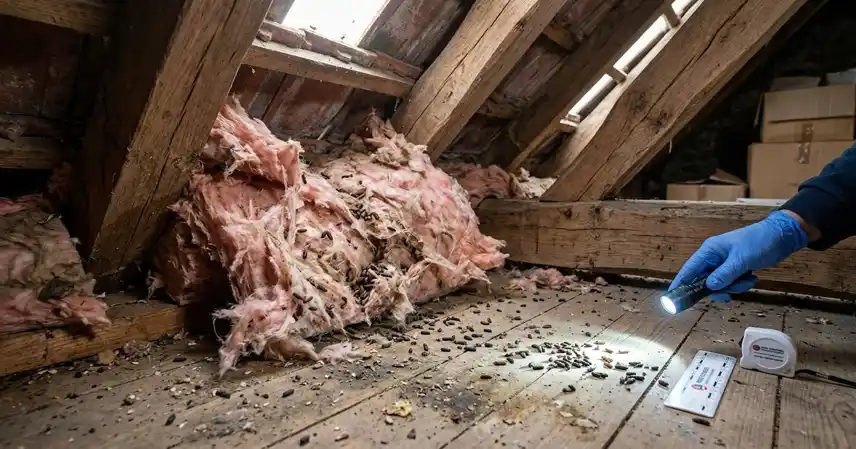
- Frass or pellets. Drywood termites push out tiny, hard droppings that look like sand or ground pepper. Small piles often show up under furniture, in the attic or on windowsills.
- Hollow or damaged wood. Wood that sounds hollow when tapped, or that is soft enough to push a screwdriver into.
- Bubbling paint or blistered wood. Paint that bubbles or looks water damaged can be a sign of termites working just under the surface.
- Sticking doors and windows. Termite activity can add moisture and warp frames, so doors and windows may suddenly feel tight.
Finding one of these signs does not always mean you have termites, and not finding them does not mean your home is clear. It does mean it is time to have someone take a closer look.
Drywood vs. Subterranean Termite Signs
Knowing which type you have matters, because the treatment is different.
Drywood termites live in dry wood above ground, such as attic framing, furniture and window trim. The main clue is piles of pellets, sometimes below tiny holes in the wood.
Subterranean termites, including Formosan termites, nest in the soil and need moisture. The main clue is mud tubes, along with damage near the ground, around slab cracks or anywhere water collects.
Our guide on how to get rid of termites explains the treatment options for each type.
Where to Check in a Pinellas County Home
You can do a quick check yourself a few times a year. Focus on these spots:
- The attic. Look at the trusses and sheathing with a flashlight for pellets and damage.
- The slab edge and foundation. Walk the outside of the house and look for mud tubes, especially behind shrubs and mulch.
- Window and door frames. Check the sills for wings and pellets.
- The garage. Look along walls, at expansion joints and around stored wood.
- The lanai. Check wood framing, fascia and any wood touching the ground.
Older homes in Dunedin and Clearwater with original wood framing deserve extra attention, along with any home that has had leaks or wood touching soil.
Frequently Asked Questions
What should I do if I find signs of termites?
Do not spray store bought products or tear out wood, since that can scatter termites and make the problem harder to track. Take a photo, save a sample of wings or pellets in a sealed bag if you can, and schedule an inspection. A technician can confirm the activity, identify the species and recommend a plan.
How often should my home be inspected for termites?
Once a year is a good habit for most Florida homes, even if you have not seen any signs. Termites are active much of the year here, and early detection usually means less damage. You can learn more about what a termite inspection costs and what it covers before you book.
Can an inspection prove I do not have termites?
No inspection can see inside every wall or under every floor, so even a thorough one cannot fully rule termites out. That is why many homeowners choose preventive termite control for peace of mind, along with yearly inspections. Prevention is usually simpler than repairing damage that went unnoticed for years.
Think you might have termites? Call Uprooted Weed & Pest Control at (727) 871-0721 or request a free estimate at /contact/.
How to Know You Have Termites
Contact UpRooted Weed and Pest Control for guaranteed weed control,
lawn fertilization, and insect management across Central Florida.
lawn fertilization, and insect management across Central Florida.
Request a Free Quote
More from Uprootedpest
Experts in automation, dedicated to helping your business thrive.

Do Rats Come Out During the Day? What a Daytime Sighting Means
Yes, rats do come out during the day, but it isn’t their normal schedule. Rats are mostly nocturnal, so a rat you spot in daylight is usually telling you something: food is easy to reach, the colony is crowded, or something disturbed its nest. One sighting along a back fence in Dunedin isn’t a crisis. One crossing your pool cage
October 26, 2026

How to Choose the Best Pest Control Service in Central Florida (and Why Homeowners Trust UpRooted)
If you live in Central Florida, you already know pests are part of life here. Ants march across kitchen counters, mosquitoes crash backyard cookouts, and termites quietly work through the wood in your walls. The warm, humid climate that makes Florida so appealing is exactly what pests love too. Choosing the right pest control company matters. The wrong one leaves
October 9, 2026
How to Keep Rats and Mice Out of Your Home in Central Florida
Florida’s warm weather is great for outdoor living, but it’s also great for rodents. With mild winters, plentiful food, and no hard freeze to slow them down, rats and mice stay active in Central Florida all year long. And when they decide your home looks like a good place to settle in, they can cause serious trouble. Rodents chew through
October 1, 2026