
 (727) 871-0721

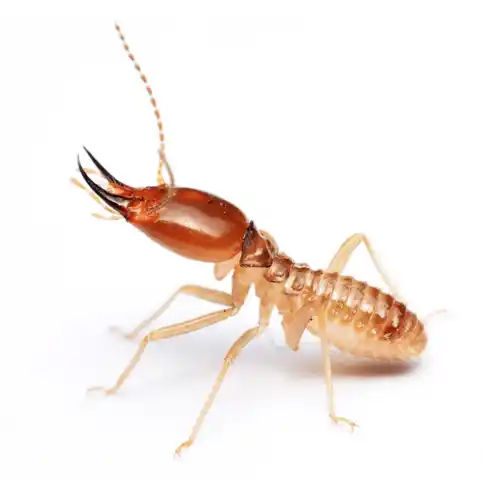
Termites are often called “silent destroyers,” and for good reason. These tiny insects can chew through wood, flooring, and structural supports for months or even years before a homeowner notice anything is wrong. In Florida’s warm, humid climate, the risk is year-round, making termite protection an essential part of home ownership.
If you suspect termites or simply want peace of mind, you may be wondering what actually happens when you call a professional. Knowing what to expect can take the stress out of the process. This guide walks you through professional termite inspection and treatment, from the first phone call to long-term protection, and explains why working with experienced pest control services makes all the difference.
Why Termites Are Such a Serious Threat in Florida
Florida is one of the most termite-prone states in the country. Mild winters, frequent rain, and high humidity create ideal conditions for colonies to thrive. Two types are most common:
- Subterranean termites. These live in soil and build mud tubes to reach your home’s wood. They are the most widespread and destructive type.
- Drywood termites. These live inside the wood itself, including framing, furniture, and attic timbers, and don’t need contact with the soil.
Because termites work out of sight, damage can be extensive by the time it’s discovered. That’s why professional termite control services focus on both detecting active infestations early and preventing new ones.
Signs You May Have a Termite Problem
Before the inspection, it helps to know what to look for. Common warning signs include:
- Mud tubes along foundation walls, crawl spaces, or exterior siding
- Discarded wings near windowsills, doors, or light fixtures after a swarm
- Wood that sounds hollow when tapped
- Soft, sagging, or blistered wood or flooring
- Tiny, pellet-like droppings (frass), a common sign of drywood termites
- Doors and windows that suddenly stick or become hard to open
If you notice any of these, it’s time to schedule an inspection. Even if you don’t, an annual inspection is a smart habit for any Florida homeowner.
Step 1: The Initial Inspection
A professional termite inspection is thorough, systematic, and typically takes an hour or more depending on your home’s size. Here’s what you can expect.
Exterior evaluation. The technician will walk the perimeter of your property, checking the foundation, siding, fences, wood piles, mulch beds, and any wood-to-soil contact. They’ll look for mud tubes, moisture problems, and conditions that attract termites.
Interior evaluation. Inside, they’ll examine baseboards, window frames, door frames, flooring, and ceilings. They may tap on wood to listen for hollow spots and use tools like moisture meters and probes to detect hidden activity.
Attic and crawl space. These areas are prime hiding spots. A technician will check rafters, joists, and support beams for damage or evidence of an active colony.
Findings and report. After the inspection, you’ll receive a clear explanation of what was found, whether termites are active, the extent of any damage, and recommended next steps. A reputable company will walk you through the results and answer your questions without pressure.
Step 2: Choosing the Right Treatment Plan
Not every infestation is the same, and the best treatment depends on the species, severity, and layout of your home. The most common approaches include:
Liquid soil treatments. A treated barrier is created in the soil around your foundation. Termites that come into contact with it are eliminated or blocked from reaching your home. This is a common solution for subterranean termites.
Bait systems. Stations are placed around your property to attract foraging termites. They carry the bait back to the colony, which can gradually reduce or eliminate it. Baiting is often considered a lower-impact option.
Spot or localized treatments. For smaller, contained drywood infestations, technicians may treat affected areas directly.
Wood treatments. Borate and similar products can be applied to exposed wood to help protect against future infestation.
Many reputable companies prefer a targeted approach, treating exactly where it’s needed rather than blanketing your property. Some also offer green or organic methods whenever possible, which can be an excellent option for families with children, pets, or environmental concerns. Ask your provider which options are available for your situation.
Step 3: The Treatment Process
Once you’ve approved a plan, treatment is typically scheduled promptly. Here’s what generally happens:
- Preparation. Your technician will explain any steps you should take, such as clearing access to walls, trimming back landscaping, or moving items away from the foundation.
- Application. The technician applies the chosen treatment, whether that’s trenching and treating soil, installing bait stations, or treating infested wood.
- Cleanup and review. The team wraps up, answers your questions, and explains what to expect in the following days and weeks.
Most treatments are completed in a day or less, and homeowners can usually remain at home. You may notice termite activity for a short time afterward. This is normal, as it can take time for the treatment to reach the colony.
Step 4: Follow-Up and Ongoing Monitoring
Termite control doesn’t end the day treatment is applied. A professional plan should include follow-up inspections to make sure the problem is truly resolved and to catch any new activity early. Many providers offer annual monitoring or warranty-backed protection, giving you added confidence that your home stays protected.
This ongoing relationship is where quality pest control services really shine. A technician who knows your property can spot changes over time, adjust treatments, and help you stay ahead of problems before they become expensive.
How to Help Prevent Future Infestations
You play an important role in keeping termites away. A few simple habits go a long way:
- Fix leaky pipes, faucets, and air conditioning lines promptly
- Keep gutters clean and direct water away from your foundation
- Store firewood and lumber away from the house
- Keep mulch a few inches from your foundation and siding
- Trim shrubs and trees that touch your home
- Ensure crawl spaces and attics are well ventilated and dry
What to Look for in a Termite Provider
Not all companies are created equal. When choosing termite control services, look for:
- Experience and local knowledge. A provider familiar with Florida’s termite species and climate will know what works.
- Clear communication. You should understand what was found, what’s recommended, and why.
- Targeted, transparent treatment. Avoid companies that push unnecessary or one-size-fits-all solutions.
- Follow-up support. Reliable service includes monitoring, warranties, and a point of contact you can reach.
- Safe, thoughtful methods. Ask about eco-friendly options and how they protect your family and pets.
Protect Your Home With Confidence
Termites don’t take days off, and the longer they go undetected, the more costly they become. A professional inspection gives you clear answers, a customized treatment plan, and the peace of mind that comes from knowing your biggest investment is protected.
At UpRooted Weed & Pest Control, local, family-owned expertise meets a green-first approach. With over 25 years of experience, a dedicated Habitat Specialist for your property, and a targeted approach to every treatment, we deliver reliable termite control services and pest control services for homes and businesses throughout the Dunedin and north Pinellas area. Visit uprootedpest.com or call (727) 871-0721 to schedule your inspection today.


