

info@uprootedpest.com


Is Fumigation Dangerous for Humans? What to Know Before Your Home Is Tented
3 min read • March 1, 2022
Fumigation, the tenting treatment used for drywood termites and some other pests, uses a gas that fills every space in the structure. During the treatment that gas is dangerous to people and pets, which is exactly why the home is sealed, posted with warning signs and locked with a secondary lock only the fumigator can open. Once the treatment is finished and the house is aired out and tested, the gas is gone and the home is safe to live in.
Why the gas works and why it does not linger
Fumigants such as sulfuryl fluoride penetrate wood and reach termites that sprays cannot. They are gases, not residues, so they do not stick to surfaces, dishes or furniture. After the tent comes down, fans and open windows clear the air, and the fumigator uses a meter to confirm the concentration is below the safe re entry level before releasing the house. You should never re enter before that clearance.
How to prepare your home safely
- Food and medicine. Anything that is not sealed in its original factory packaging goes into the special bags your fumigator provides, or leaves the house. That includes pet food and items in the refrigerator.
- People, pets and plants. Everyone leaves, including fish and reptiles. Houseplants go outside. Outdoor plants near the foundation are watered and trimmed back so the tent seals properly.
- Gas and utilities. The natural gas supply is shut off, pilot lights are out, and the fumigator confirms this before tenting.
- Time away. Plan for two to three nights. Your fumigator will give you the exact re entry date and time.
When it is safe to go back inside
Only when the fumigator has removed the secondary lock and posted or handed you a clearance notice. That notice means the air has been tested. Bedding, clothing and dishes do not need washing, though many people choose to air out closets and run the air conditioning for a few hours.
Who should take extra care
Anyone with a respiratory condition, pregnant women, infants and the elderly should not be nearby during the release of the tent and should wait a little longer before returning. If anyone in the household develops headaches, nausea or eye irritation after moving back in, leave the house and call the fumigator, then your doctor.
Is there an alternative?
For small, localized drywood termite infestations a spot treatment can work without tenting. For widespread infestations, or when the colony cannot be located, fumigation is the only treatment that reaches every gallery. Uprooted Weed and Pest Control inspects first and recommends tenting only when it is the right tool. If you are in Dunedin, Clearwater, Largo or Palm Harbor and want a second opinion on a fumigation quote, call us.
Related reading
Is Fumigation Dangerous for Humans? What to Know Before Your Home Is Tented
Contact UpRooted Weed and Pest Control for guaranteed weed control,
lawn fertilization, and insect management across Central Florida.
Request a Free Quote
More from Uprootedpest
Experts in automation, dedicated to helping your business thrive.
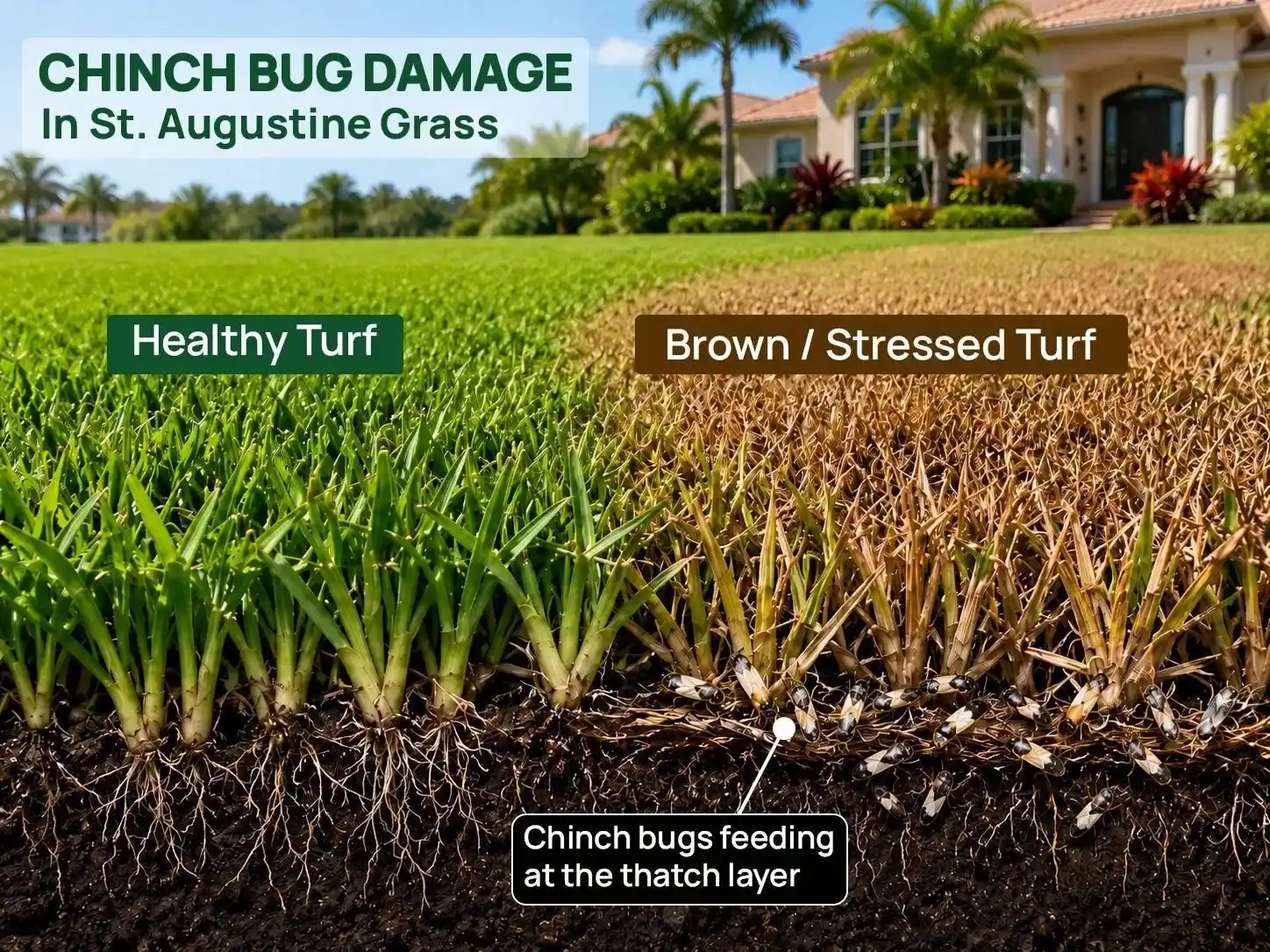
Is That a Chinch Bug or Just Dry Grass? A Dunedin Lawn Diagnosis
You walk outside on a Saturday morning, coffee in hand, and there it is: a patch of your St. Augustine grass turning yellow, then brown. Your first instinct is to check the sprinkler schedule. Maybe it needs more water. But here’s what we see all too often in Dunedin: homeowners crank up the irrigation, the patch keeps spreading, and by
November 12, 2026
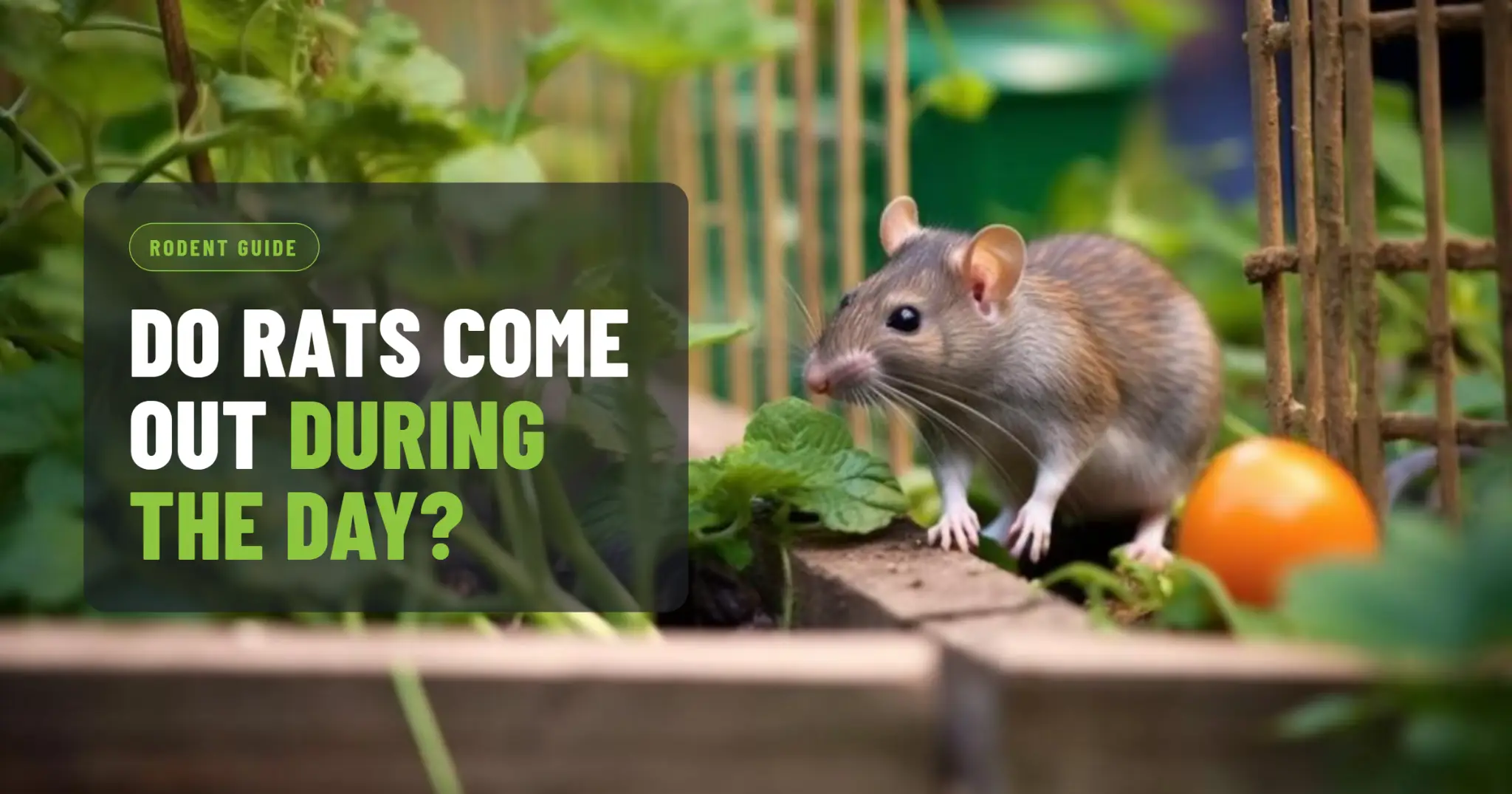
Do Rats Come Out During the Day? What a Daytime Sighting Means
Yes, rats do come out during the day, but it isn’t their normal schedule. Rats are mostly nocturnal, so a rat you spot in daylight is usually telling you something: food is easy to reach, the colony is crowded, or something disturbed its nest. One sighting along a back fence in Dunedin isn’t a crisis. One crossing your pool cage
October 26, 2026
How to Choose the Best Pest Control Service in Central Florida (and Why Homeowners Trust UpRooted)
If you live in Central Florida, you already know pests are part of life here. Ants march across kitchen counters, mosquitoes crash backyard cookouts, and termites quietly work through the wood in your walls. The warm, humid climate that makes Florida so appealing is exactly what pests love too. Choosing the right pest control company matters. The wrong one leaves
October 9, 2026