

info@uprootedpest.com


How Do I Prepare for Flea Extermination? A Room by Room Checklist
3 min read • March 1, 2022
A flea treatment is only as good as the preparation before it. The products need to reach the floor, the carpet fibers and the cracks where eggs and larvae hide, and the pets need to stop bringing new fleas in. Here is exactly what to do before an Uprooted technician arrives.
The day before
- Treat every pet. Dogs and cats get a veterinarian approved flea product the day before treatment. This is the single most important step. Untreated pets restart the infestation within days.
- Wash pet bedding and your bedding on the hottest setting, then dry on high heat. Anything that cannot be washed goes in a sealed bag for two weeks.
- Clear the floors. Pick up toys, shoes, clothing and anything stored under beds and in closet floors so the treatment reaches every square foot.
The morning of
- Vacuum everything. Carpets, rugs, hard floors, under furniture, along baseboards, inside closets and on upholstered furniture including under the cushions. Vacuuming pulls up eggs and makes pupae hatch so the treatment kills them. Empty the canister or bag into an outside trash can immediately.
- Mop hard floors. Larvae hide in the seams between boards and tiles.
- Cover or remove fish tanks, reptile enclosures and bird cages. Turn off aquarium pumps during treatment.
- Put away food, dishes and pet bowls or cover them.
- Move furniture a few inches from the walls so the baseboard line can be treated.
Outside the house
Fleas live where pets rest in shade: under decks, along the fence line, in the crawl space and under shrubs. Mow the lawn and clear leaf piles so the exterior treatment reaches the soil.
During and after treatment
- Everyone, including pets, stays out until the treatment is dry, usually two to four hours. Your technician will give you the time.
- Do not vacuum or mop for at least 48 hours afterwards, so the residual product stays in place.
- After that, vacuum daily for two weeks. This is normal and expected. It keeps pulling newly hatched fleas into contact with the treated surfaces.
- Seeing a few fleas in the first week or two is normal. They are pupae emerging from cocoons the treatment could not penetrate. The growth regulator stops them from breeding.
What the treatment includes
Uprooted uses an insect growth regulator combined with an adulticide, applied to floors, upholstery, pet areas and the exterior resting zones, with a follow up visit scheduled two to three weeks later. That combination handles eggs, larvae and adults. If you are in Dunedin, Clearwater, Largo or Palm Harbor and fleas keep coming back after store bought sprays, the preparation above plus a professional treatment is what ends it.
Related reading
How Do I Prepare for Flea Extermination? A Room by Room Checklist
Contact UpRooted Weed and Pest Control for guaranteed weed control,
lawn fertilization, and insect management across Central Florida.
Request a Free Quote
More from Uprootedpest
Experts in automation, dedicated to helping your business thrive.
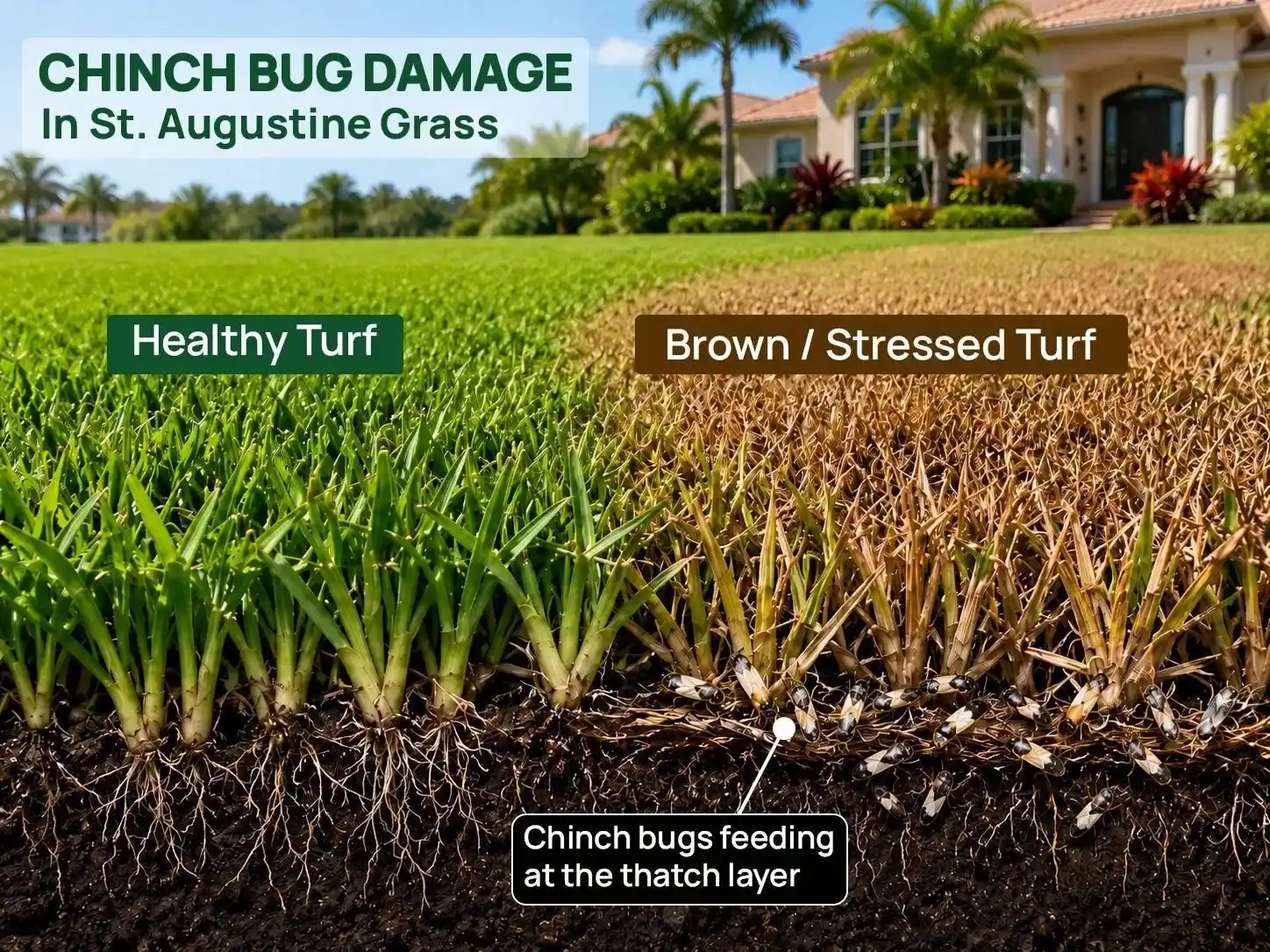
Is That a Chinch Bug or Just Dry Grass? A Dunedin Lawn Diagnosis
You walk outside on a Saturday morning, coffee in hand, and there it is: a patch of your St. Augustine grass turning yellow, then brown. Your first instinct is to check the sprinkler schedule. Maybe it needs more water. But here’s what we see all too often in Dunedin: homeowners crank up the irrigation, the patch keeps spreading, and by
November 12, 2026
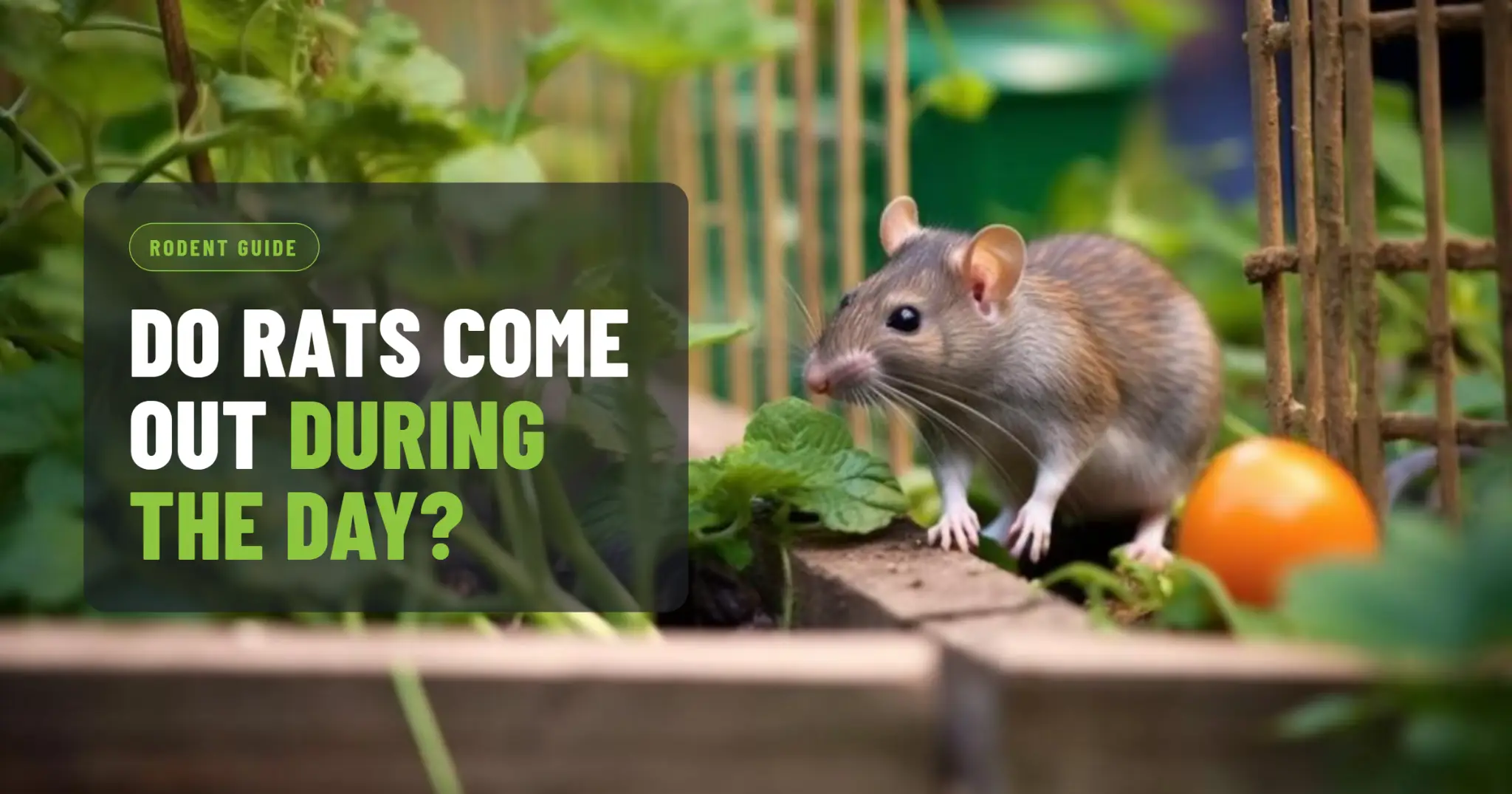
Do Rats Come Out During the Day? What a Daytime Sighting Means
Yes, rats do come out during the day, but it isn’t their normal schedule. Rats are mostly nocturnal, so a rat you spot in daylight is usually telling you something: food is easy to reach, the colony is crowded, or something disturbed its nest. One sighting along a back fence in Dunedin isn’t a crisis. One crossing your pool cage
October 26, 2026

How to Choose the Best Pest Control Service in Central Florida (and Why Homeowners Trust UpRooted)
If you live in Central Florida, you already know pests are part of life here. Ants march across kitchen counters, mosquitoes crash backyard cookouts, and termites quietly work through the wood in your walls. The warm, humid climate that makes Florida so appealing is exactly what pests love too. Choosing the right pest control company matters. The wrong one leaves
October 9, 2026