

info@uprootedpest.com

Is That a Chinch Bug or Just Dry Grass? A Dunedin Lawn Diagnosis
5 min read • November 12, 2026
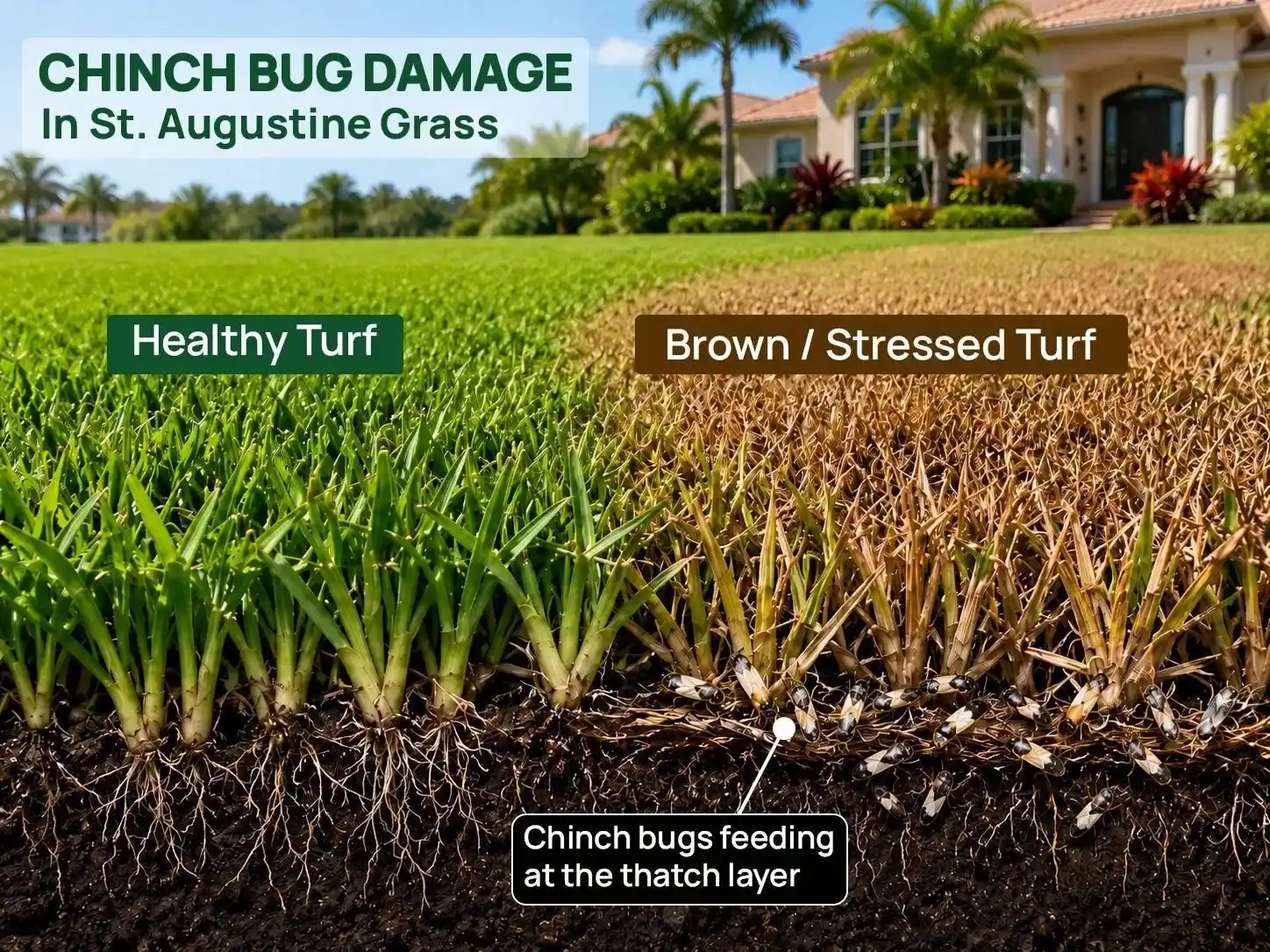
You walk outside on a Saturday morning, coffee in hand, and there it is: a patch of your St. Augustine grass turning yellow, then brown. Your first instinct is to check the sprinkler schedule. Maybe it needs more water.
But here’s what we see all too often in Dunedin: homeowners crank up the irrigation, the patch keeps spreading, and by the time they call us, the chinch bugs have been feasting for weeks.
The truth is, chinch bug damage and drought stress look almost identical at first glance—especially on St. Augustine grass, the most common turf in our area . The difference matters enormously, because the fix for one is the opposite of the fix for the other.
At UpRooted, we’ve spent 25+ years diagnosing lawns across Clearwater and Dunedin. Here’s how to tell the two apart in five minutes, using nothing more than your eyes and a coffee can.
Why Chinch Bugs Love Dunedin Lawns
Southern chinch bugs are tiny—about the size of a sesame seed—but they’re the single most destructive pest of St. Augustine grass in Florida. They feed by piercing grass blades and sucking out the plant’s fluids, while injecting a toxin that blocks water and nutrient flow .
The result is exactly what drought looks like: yellowing that turns brown, dead patches that expand outward.
But there’s a critical difference. Drought-stressed grass is thirsty. Chinch bug-damaged grass is being killed—and watering it won’t help. In fact, chinch bugs thrive in hot, dry conditions, so a drought-stressed lawn is even more vulnerable to infestation.
The 5-Minute Diagnosis: Drought vs. Chinch Bugs
Before you adjust your sprinklers or buy a jug of insecticide, do this check.
Step 1: Look at the pattern.
Drought damage tends to appear in irregular patterns across the whole lawn, often near sprinkler heads that aren’t covering properly. Chinch bug damage usually starts in hot, sunny spots—along sidewalks, driveways, or the sun-baked edge of your property.
Step 2: Check the grass blades.
Walk on the damaged area. Drought-stressed grass blades will curl or fold, and the grass may not spring back when you step off it. Chinch bug-damaged grass is often already dead or dying—it won’t recover with water .
Step 3: Do the coffee can test.
This is the single most reliable DIY method for confirming chinch bugs. Here’s how :
- Take an empty coffee can and remove both ends.
- Push it about 2–3 inches into the soil at the edge of the damaged patch—where brown meets green.
- Fill it with water and keep it filled for 5–7 minutes.
- Watch the surface. If chinch bugs are present, tiny insects will float to the top.
What you’re looking for: Adult chinch bugs are black with white wings. Nymphs are reddish-orange with a light band across their backs . If you see 20 or more per square foot, you have a damaging infestation .
Important: Don’t confuse chinch bugs with big-eyed bugs, which are beneficial predators that eat chinch bugs. Big-eyed bugs have large, protruding eyes and a wider head. Chinch bugs have small heads and distinctive white wings with black markings.
What If It’s Just Dry Grass?
If the coffee can test comes up empty, your lawn is likely dealing with drought stress or an irrigation issue.
Dunedin’s sandy soil drains quickly, and afternoon thunderstorms can create the illusion of adequate watering while the root zone stays dry. Here’s what to do:
- Water deeply, not frequently. One inch per week, applied in a single early-morning session, encourages deep roots.
- Check your sprinkler coverage. Dry patches near driveways or walkways often mean the spray isn’t reaching that area.
- Don’t overcorrect. Overwatering creates its own problems—fungal disease, shallow roots, and thatch buildup that actually attracts chinch bugs .
If It Is Chinch Bugs, Don’t Panic—But Don’t Wait
Chinch bug infestations expand quickly. A small patch can double in size within weeks as the bugs move outward into healthy turf .
Traditional insecticides are facing resistance challenges in Florida, with many products losing effectiveness against southern chinch bugs . That’s why accurate identification and targeted treatment matter more than ever. Spraying the wrong product—or spraying for drought when the real problem is bugs—wastes money and can harm beneficial insects that help control chinch bugs naturally.
At UpRooted, our Habitat Specialists know exactly where chinch bugs hide in Dunedin lawns, how to confirm an infestation, and how to treat it without unnecessary chemicals. We’ll find the cause, fix it, and help keep it from coming back.
Your Next Step
That brown patch isn’t going to diagnose itself. Grab a coffee can this weekend and do the five-minute test. If you see bugs floating, call us. If you don’t—but the patch keeps spreading anyway—call us anyway. We’ll figure it out together.
UpRooted: Local roots. Professional results. Guaranteed.
Serving Clearwater, Dunedin, and the surrounding Tampa Bay area with 25+ years of experience.
Is That a Chinch Bug or Just Dry Grass? A Dunedin Lawn Diagnosis
Contact UpRooted Weed and Pest Control for guaranteed weed control,
lawn fertilization, and insect management across Central Florida.
lawn fertilization, and insect management across Central Florida.
Request a Free Quote
More from Uprootedpest
Experts in automation, dedicated to helping your business thrive.
Do Rats Come Out During the Day? What a Daytime Sighting Means
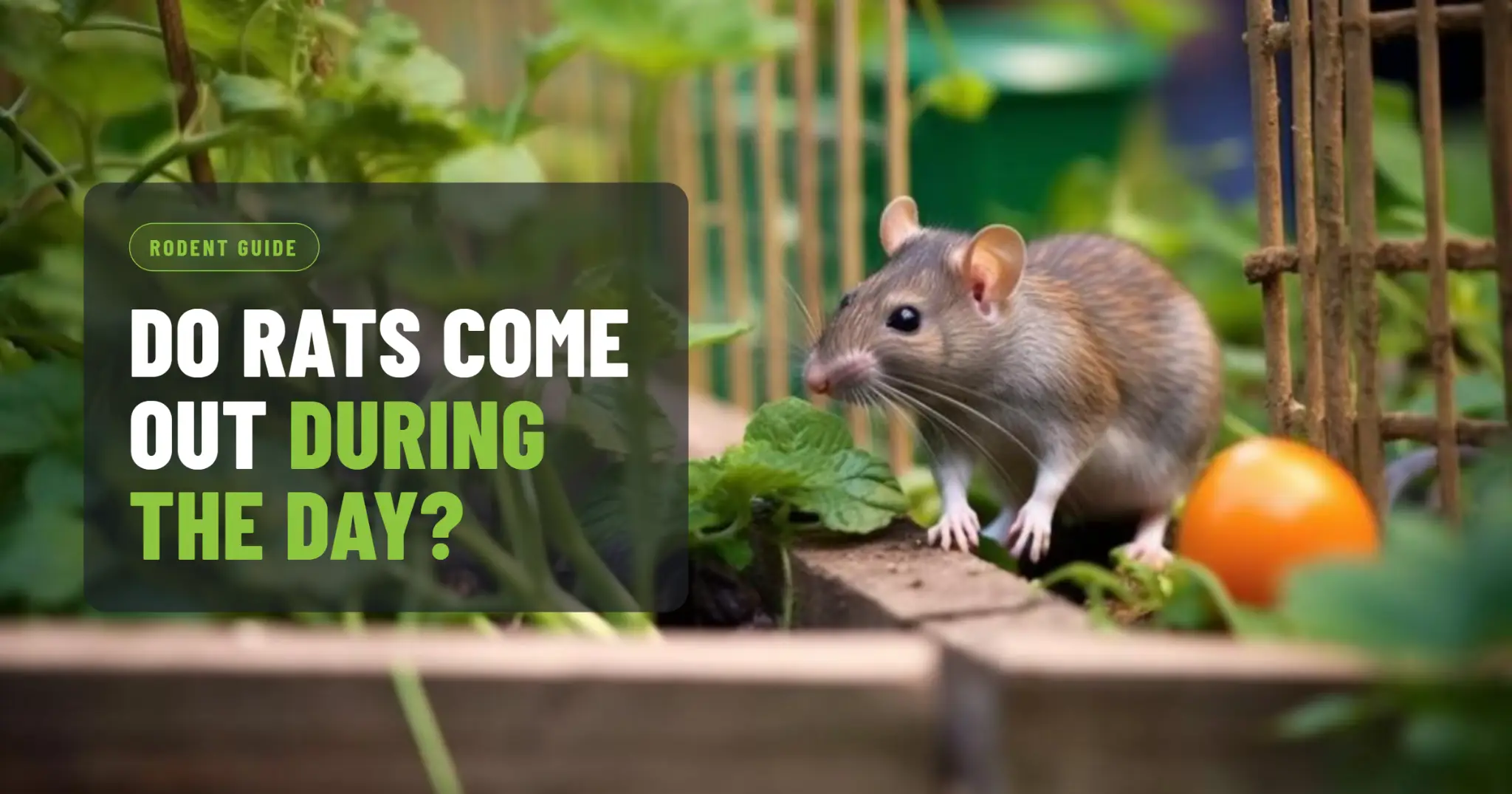
Yes, rats do come out during the day, but it isn’t their normal schedule. Rats are mostly nocturnal, so a rat you spot in daylight is usually telling you something: food is easy to reach, the colony is crowded, or something disturbed its nest. One sighting along a back fence in Dunedin isn’t a crisis. One crossing your pool cage
October 26, 2026

How to Choose the Best Pest Control Service in Central Florida (and Why Homeowners Trust UpRooted)
If you live in Central Florida, you already know pests are part of life here. Ants march across kitchen counters, mosquitoes crash backyard cookouts, and termites quietly work through the wood in your walls. The warm, humid climate that makes Florida so appealing is exactly what pests love too. Choosing the right pest control company matters. The wrong one leaves
October 9, 2026
How to Keep Rats and Mice Out of Your Home in Central Florida
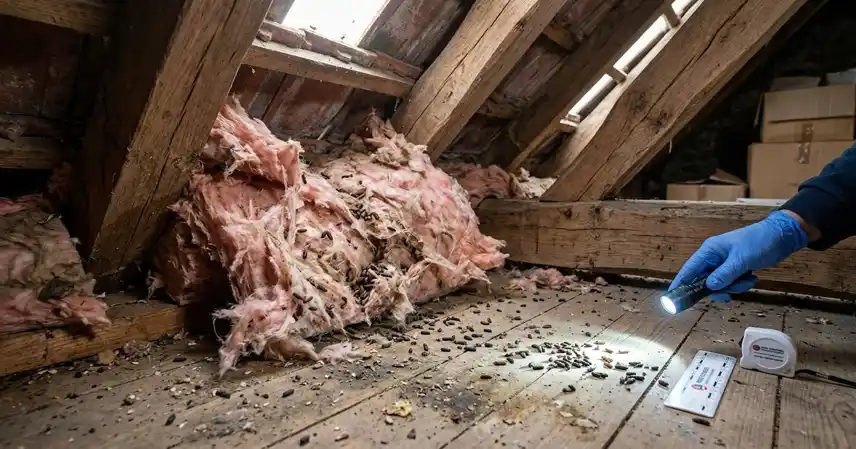
Florida’s warm weather is great for outdoor living, but it’s also great for rodents. With mild winters, plentiful food, and no hard freeze to slow them down, rats and mice stay active in Central Florida all year long. And when they decide your home looks like a good place to settle in, they can cause serious trouble. Rodents chew through
October 1, 2026