

info@uprootedpest.com

What Does Fumigation Kill?
5 min read • March 1, 2022
Tent fumigation kills nearly every insect and animal inside the sealed home, including drywood termites, wood boring beetles, cockroaches and rodents. It is mainly used for drywood termite infestations that are spread out or hidden. It does not reach termites living in the soil, and it leaves no protection against new pests.
In general, tent fumigation kills everything it reaches. That is exactly why it works so well on hidden pests, and also why it takes so much preparation. Here is a closer look at what the gas kills, what it does not, and when it makes sense for a Florida home.
Pests That Tent Fumigation Kills
In Florida, structural fumigation uses sulfuryl fluoride, a gas that spreads through the whole home and soaks into wood, furniture and wall voids. The dose and exposure time are set for the target pest, but anything breathing inside the tent is affected. That includes:
- Drywood termites. This is the main reason homes are tented. Drywood termites live inside the wood they eat, often in attics, rafters, window frames and furniture, so surface sprays cannot reach them.
- Wood boring beetles. Powderpost beetles and old house borers tunnel through framing and hardwood floors much like termites do.
- Cockroaches, ants and spiders that happen to be inside the structure.
- Bed bugs, when the fumigator sets the dose high enough for them. Bed bug eggs need a stronger treatment than termites, so tell your fumigator if bed bugs are part of the problem.
- Rodents hiding in walls or the attic.
Fumigation is also sometimes used before people move into a home, so drywood termites, beetles and other pests are cleared out before furniture comes in.
What Fumigation Does Not Kill or Prevent
Fumigation is powerful, but it has clear limits:
- Subterranean termites in the soil. These termites nest underground and travel up into the home through mud tubes. The gas does not reach the colony below the slab, so they need a soil treatment or bait system instead. Tenting is only occasionally used when subterranean termites are nesting above ground.
- Future infestations. Sulfuryl fluoride leaves no lasting residue. Once the home is aired out, new termites can fly in during the next swarm season.
- Mold and wood rot. Fumigation is not a mold treatment and does not repair damaged wood.
- Pests outside the tent. Insects in the yard, on the lanai screen or in a detached shed are not affected.
Because there is no residual protection, many homeowners pair fumigation with ongoing termite control and yearly inspections.
When Fumigation Makes Sense
Tenting is a big job. It takes several days, your family and pets must leave, and food, medicine and houseplants need to be removed or sealed in special bags. For that reason, a no tent treatment is suggested whenever it can do the job.
Fumigation is usually the better choice when:
- Drywood termites are active in several rooms or areas of the home
- The infestation is inside walls, attics or framing a technician cannot reach
- Spot treatments have been tried and activity keeps coming back
In Pinellas County, drywood termites often settle into roof trusses, attic sheathing and wood trim, even in concrete block homes. Older homes in Dunedin and Clearwater with original wood framing and built in cabinets can have activity in many hidden spots, which is where a whole house treatment helps most.
How Florida Homes Get Ready for Fumigation
Good preparation protects your belongings and keeps the process on schedule. Your fumigator will give you a checklist, which usually includes:
- Removing people, pets and indoor plants
- Bagging or removing food, medicine and pet food that is not in factory sealed glass or metal
- Opening interior doors, cabinets and drawers so the gas can circulate
- Watering the soil and trimming plants next to the house so the tarps can seal at the ground
After the exposure period, the home is aired out and checked with a gas meter. You can return only when the licensed fumigator confirms levels at or below 1 ppm. Our guide on how long after fumigation it is safe walks through that timeline.
Frequently Asked Questions
Does fumigation kill termite eggs?
When the fumigator calculates the dose for drywood termites, the treatment is designed to kill the termites in the home at every stage. The right dose depends on the temperature, the size of the home and how long the tent stays sealed, which is why the calculation is left to a licensed fumigator.
Will fumigation kill my plants?
Indoor plants left inside will almost certainly die, so remove them before tenting day. Plants growing right against the house can also be stressed by the tarps and the crew working around them. Watering the soil and cutting plants back from the walls before the job helps protect your landscaping.
Does fumigation get rid of cockroaches for good?
It kills the roaches inside the home at the time of the treatment, but it does not stop new ones from coming in from outside. For an ongoing roach problem, regular cockroach control that targets entry points and harborage areas is usually the better answer than tenting.
Have questions about fumigation or another pest problem? Call Uprooted Weed & Pest Control at (727) 871-0721 or request a free estimate at /contact/.
What Does Fumigation Kill?
Contact UpRooted Weed and Pest Control for guaranteed weed control,
lawn fertilization, and insect management across Central Florida.
lawn fertilization, and insect management across Central Florida.
Request a Free Quote
More from Uprootedpest
Experts in automation, dedicated to helping your business thrive.
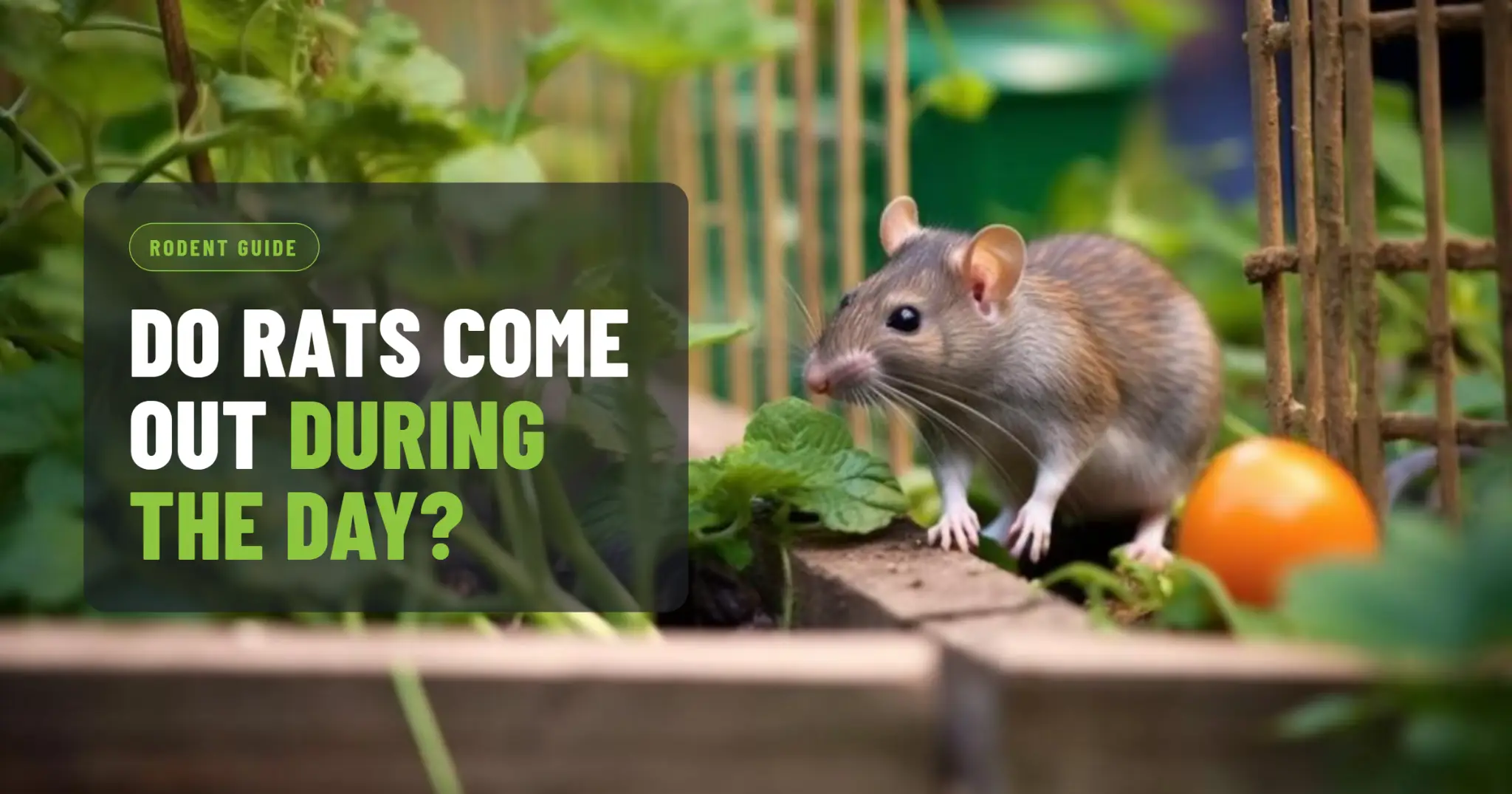
Do Rats Come Out During the Day? What a Daytime Sighting Means
Yes, rats do come out during the day, but it isn’t their normal schedule. Rats are mostly nocturnal, so a rat you spot in daylight is usually telling you something: food is easy to reach, the colony is crowded, or something disturbed its nest. One sighting along a back fence in Dunedin isn’t a crisis. One crossing your pool cage
October 26, 2026
How to Choose the Best Pest Control Service in Central Florida (and Why Homeowners Trust UpRooted)
If you live in Central Florida, you already know pests are part of life here. Ants march across kitchen counters, mosquitoes crash backyard cookouts, and termites quietly work through the wood in your walls. The warm, humid climate that makes Florida so appealing is exactly what pests love too. Choosing the right pest control company matters. The wrong one leaves
October 9, 2026
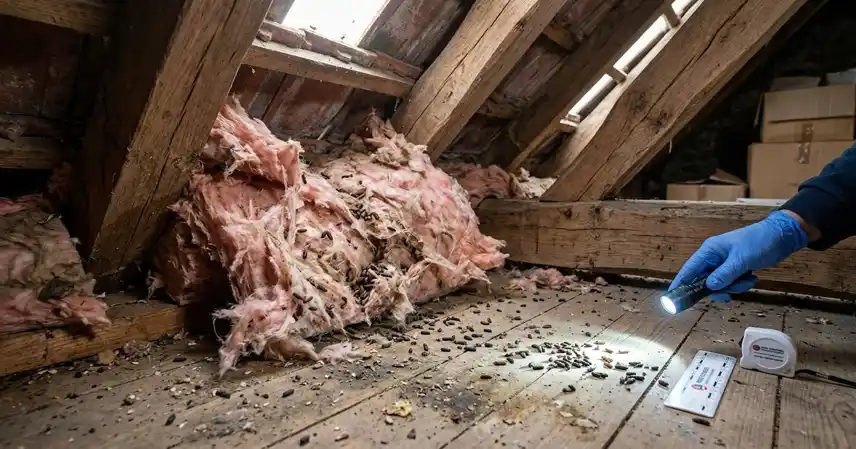
How to Keep Rats and Mice Out of Your Home in Central Florida
Florida’s warm weather is great for outdoor living, but it’s also great for rodents. With mild winters, plentiful food, and no hard freeze to slow them down, rats and mice stay active in Central Florida all year long. And when they decide your home looks like a good place to settle in, they can cause serious trouble. Rodents chew through
October 1, 2026