(727) 871-0721

Florida’s warm weather is great for outdoor living, but it’s also great for rodents. With mild winters, plentiful food, and no hard freeze to slow them down, rats and mice stay active in Central Florida all year long. And when they decide your home looks like a good place to settle in, they can cause serious trouble.
Rodents chew through wiring, contaminate food, damage insulation, and leave droppings that can carry bacteria. A single pair can multiply into a full-blown infestation in a matter of months. The good news is that prevention is far easier than cleanup. This guide covers how to spot the warning signs, how to make your home less inviting, and when to call in professional rodent removal services.
Why Rodents Love Central Florida Homes
Understanding what attracts rodents is the first step to keeping them out. Central Florida offers them nearly everything they need:
- Mild year-round temperatures. Rodents don’t need to hunker down for winter, so they breed and forage constantly.
- Abundant food sources. Fruit trees, pet food, bird feeders, garbage cans, and pantry staples are all easy meals.
- Plenty of shelter. Dense landscaping, palm trees, attics, garages, and crawl spaces make ideal nesting spots.
- Water everywhere. Frequent rain, irrigation, and humid conditions provide reliable moisture.
The most common culprits are roof rats, which are excellent climbers and often nest in attics and palm fronds, and house mice, which can squeeze through gaps as small as a dime. Both are experts at finding a way inside.
Signs You May Already Have Rodents
Rodents are most active at night and tend to stay hidden, so you may not see one right away. Watch for these clues:
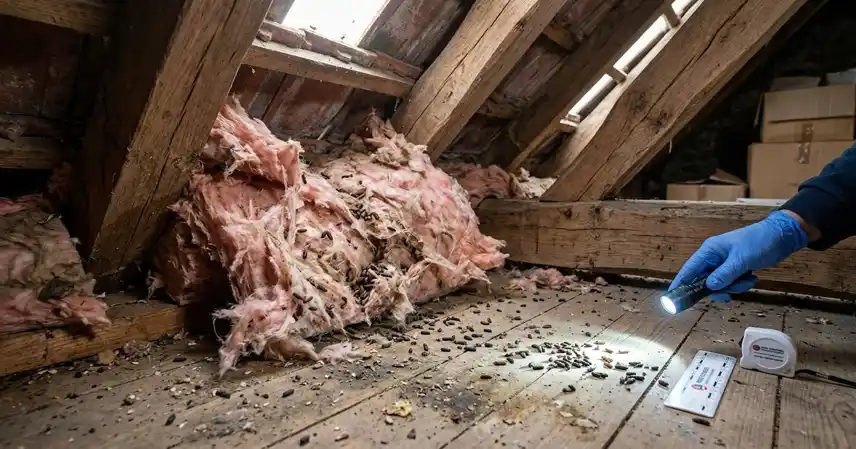
- Droppings. Small, dark pellets near food, along walls, or in cabinets and attics
- Scratching or scurrying sounds. Often heard in walls, ceilings, or attics after dark
- Gnaw marks. On wood, wires, food packaging, or plastic containers
- Greasy rub marks. Dark smudges along baseboards and walls where rodents travel
- Nests. Shredded paper, insulation, or fabric tucked into hidden corners
- Strange pet behavior. Dogs and cats may sniff, scratch, or stare at walls or vents
- Unusual odors. A musty or ammonia-like smell in enclosed spaces
If you notice any of these, don’t wait. Rodent problems rarely resolve themselves and tend to grow quickly.
Step 1: Seal Every Entry Point
The most effective way to keep rodents out is to block their access. Mice can slip through tiny cracks, and rats can chew through weak materials. Do a slow walk around your home’s exterior and look for:
- Gaps around pipes, utility lines, and cable entries
- Cracks in the foundation or siding
- Damaged or missing vent screens
- Gaps beneath doors and garage doors
- Openings around windows and roof edges
- Loose or damaged soffits and fascia
Seal small gaps with steel wool and caulk, and use sturdy materials like metal flashing or hardware cloth for larger openings. Avoid relying solely on foam or plastic, as rodents can chew right through them. Don’t forget your garage door seal, which is a frequent entry point.
Step 2: Remove Food and Water Sources
If rodents can’t find a meal, they have much less reason to stay. Make your property less appealing by:
- Storing food in airtight containers. This includes pantry items and pet food.
- Securing trash. Use bins with tight-fitting lids and keep them away from the house when possible.
- Cleaning up pet food and spilled birdseed. Don’t leave bowls out overnight.
- Picking up fallen fruit. Oranges, mangoes, avocados, and other fruit attract roof rats.
- Fixing leaks. Repair dripping faucets, irrigation leaks, and standing water near your foundation.
- Wiping up crumbs and spills. Even small messes can sustain mice.
Step 3: Trim Back Landscaping
Your yard can act as a highway leading straight to your roof. Roof rats in particular use branches, vines, and palm fronds to reach your home. To cut off their access:
- Trim tree limbs so they stay several feet away from the roofline
- Keep shrubs and bushes pruned back from the foundation
- Remove dead palm fronds and overgrown vegetation
- Clear piles of wood, debris, and clutter from around the house
- Keep mulch thin and away from direct contact with siding
A clean, open perimeter gives rodents fewer places to hide and makes them easier to detect.
Step 4: Declutter Attics, Garages, and Storage Areas
Rodents love quiet, undisturbed places. Cluttered attics, garages, and storage rooms provide perfect nesting material and cover. Reduce the appeal by:
- Using sealed plastic bins instead of cardboard boxes
- Keeping items off the floor when possible
- Organizing storage so you can easily inspect corners and walls
- Checking these spaces regularly for droppings or nesting
Why DIY Rodent Control Often Falls Short
Many homeowners try traps or store-bought baits first, and these can catch the occasional mouse. But a lasting solution requires more than that. Without finding and sealing entry points, new rodents will simply replace the ones you remove. DIY approaches also carry risks, including exposure to droppings and accidental harm to pets or children from poorly placed products.
Rodents are also smart. Rats are especially wary of new objects and may avoid traps for days. Without a trained eye, it’s easy to miss the real source of the problem.
What Professional Rodent Removal Services Include
Professional rodent removal services take a complete approach instead of just reacting to the problem. A quality provider will typically:
- Inspect your property inside and out to identify activity, nesting areas, and entry points
- Identify the species so the right strategy can be used
- Remove the existing rodents using targeted, appropriate methods
- Recommend exclusion and sealing to prevent re-entry
- Provide follow-up visits to confirm the problem is resolved and monitor for new activity
This systematic approach tackles the root of the problem. It’s the difference between temporarily reducing numbers and truly solving it.
The Value of Local Rodent Control in Central Florida
Rodent behavior varies by region, and local experience matters. Effective rodent control in Central Florida means understanding the species common to the area, how our climate affects their breeding, and where they most often enter local homes. A provider familiar with Florida properties knows to check palm trees, attic access points, and the specific vulnerabilities of local construction styles.
Local providers are also easier to reach when you need follow-up support, and they have a stake in the community they serve.
Protect Your Home Before Rodents Move In
Keeping rats and mice out of your Central Florida home comes down to a few key habits: seal entry points, remove food and water, trim vegetation, and stay alert for early warning signs. When prevention isn’t enough, or you already suspect an infestation, acting quickly can save you from costly damage and health risks.
At UpRooted Weed & Pest Control, our local, family-owned team brings over 25 years of experience to every property. With a targeted approach and a green-first mindset whenever possible, we provide dependable rodent control for homes and businesses throughout Dunedin, Clearwater, Largo, Palm Harbor, St. Petersburg, Oldsmar, and surrounding areas. Visit uprootedpest.com or call (727) 871-0721 to schedule your inspection and take back your home.